What makes Lake Manyara NP special?
Lake Manyara National Park covers just 330 square kilometers, and about two-thirds of that is the lake itself. It is small, but you get a lot of variety in a short drive. The park lies between Arusha and Ngorongoro, so it is an easy stop on Tanzania’s Northern Safari Circuit.
Here is why we like it:
-
An alkaline lake whose level changes through the year and draws thousands of flamingos
-
A thick groundwater forest, home to blue monkeys and baboons
-
Open savannas, hot springs and acacia woodlands, all in one park
-
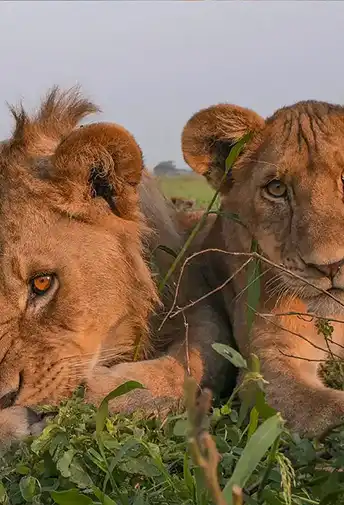
The well-known tree-climbing lions (yes, they are real)
Tree-climbing lions
Most lions rest in the grass. In Lake Manyara, some of them go up instead. A few of the park’s lions are known to climb trees and lie out on the branches, which is rare, and wildlife experts have puzzled over it for decades.
Nobody knows for sure why they do it. It may be to get away from insects or the heat. Either way, finding one stretched out on an acacia branch is one of the best sightings you can hope for here.
Birdwatching at Lake Manyara
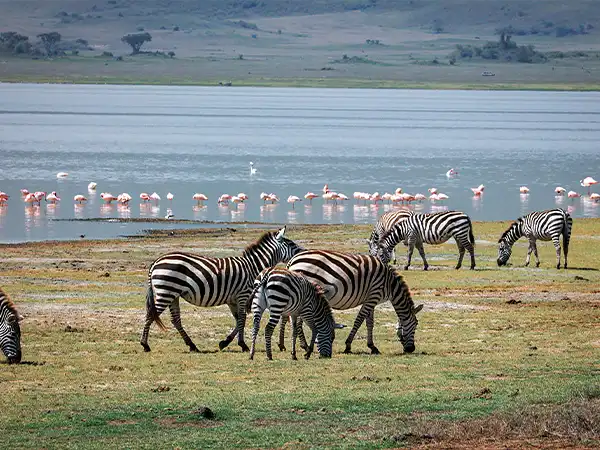
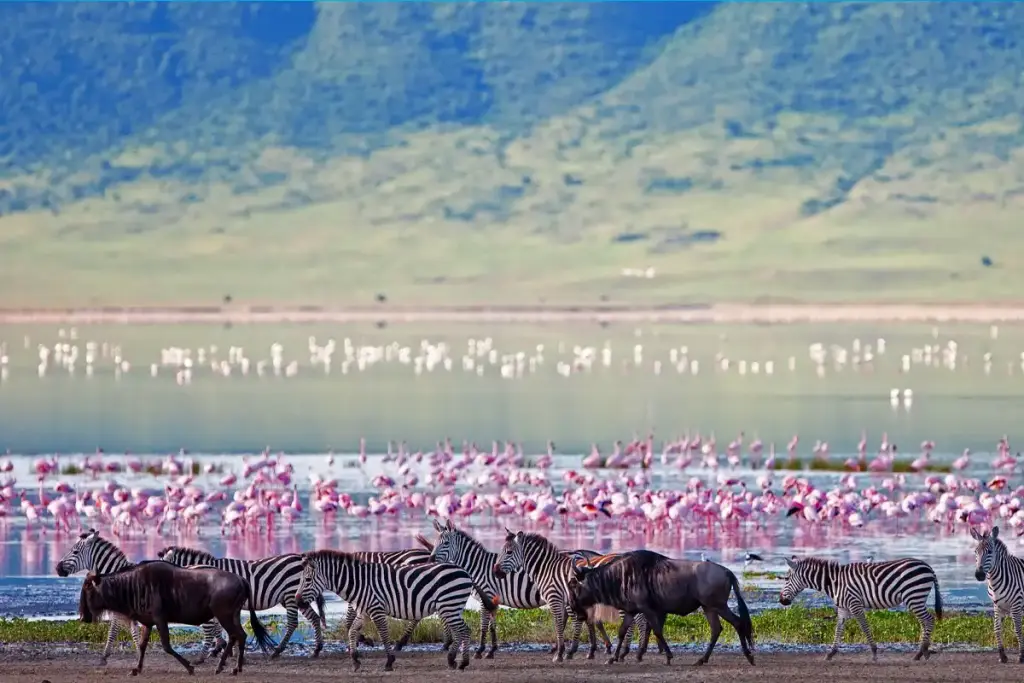
If you like birds, you will like Lake Manyara. The park has over 400 bird species. Its alkaline water attracts flamingos by the thousands, and they often turn the shoreline pink.
Look out for:
-
Pelicans
-
Storks
-
Kingfishers
-
Hornbills
-
Fish eagles
-
Crowned cranes
Wildlife: small park, lots of animals
Lake Manyara is small, but the wildlife density is high. You rarely drive far without seeing something. Here is what you can expect:
-
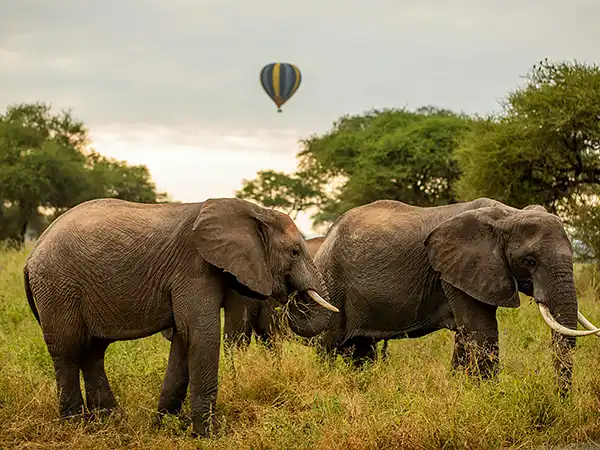
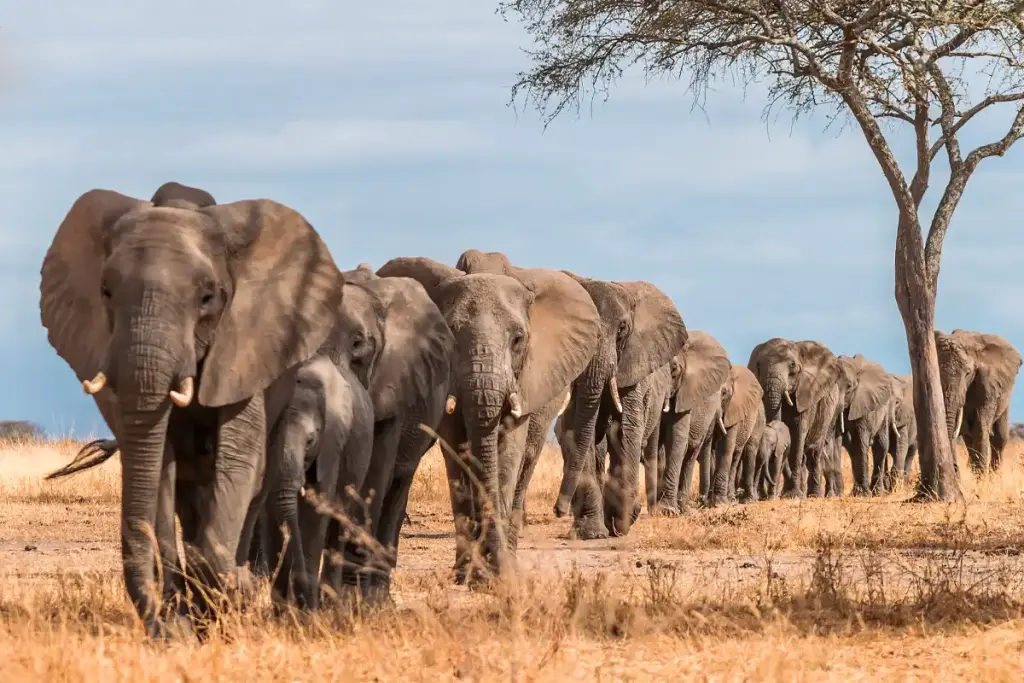
Elephants moving quietly through the forest
-
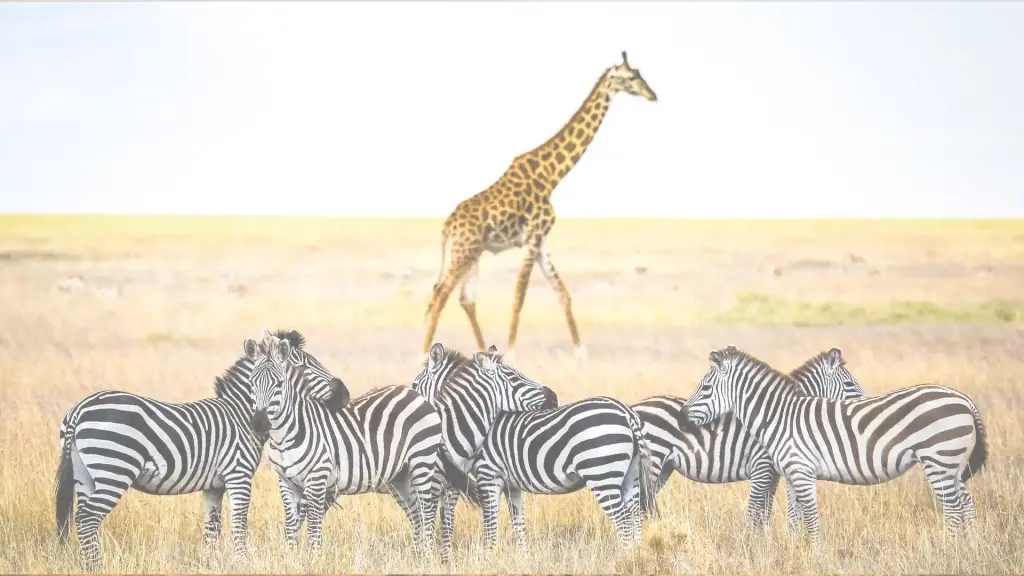
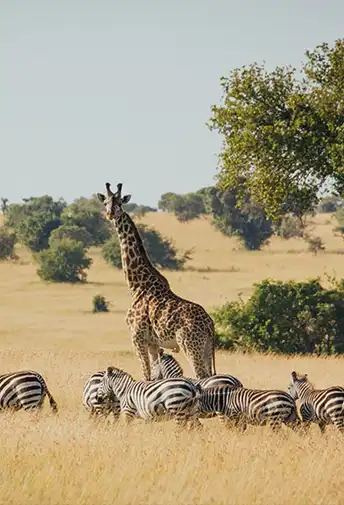
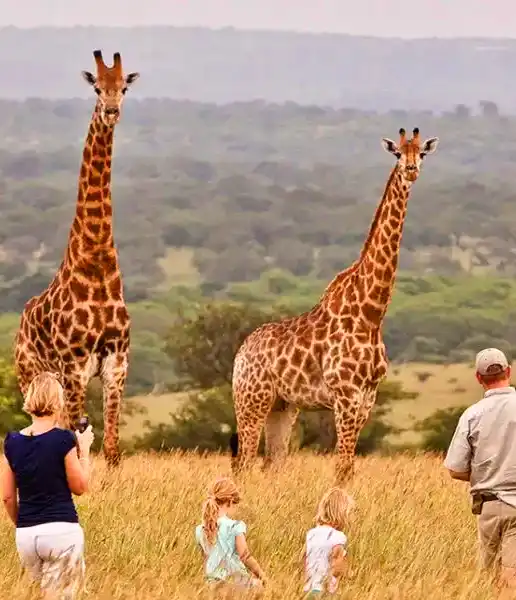
Giraffes feeding on acacia leaves
-
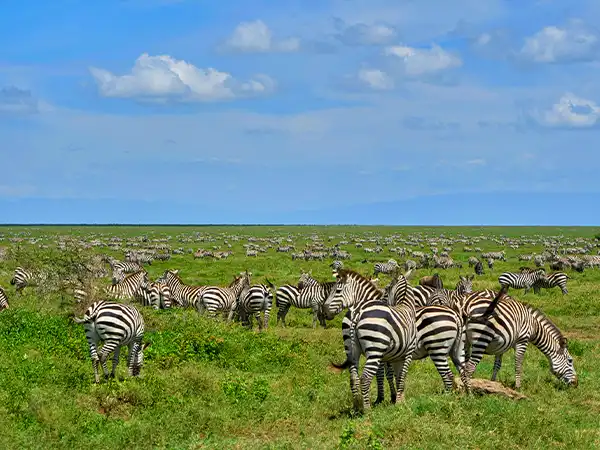
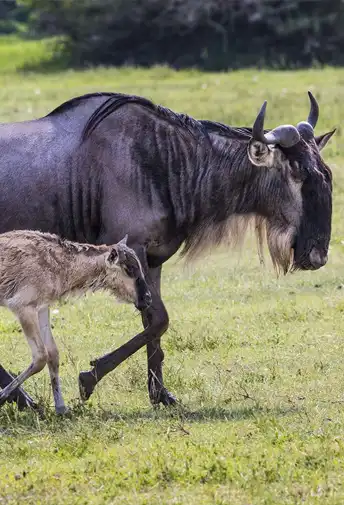
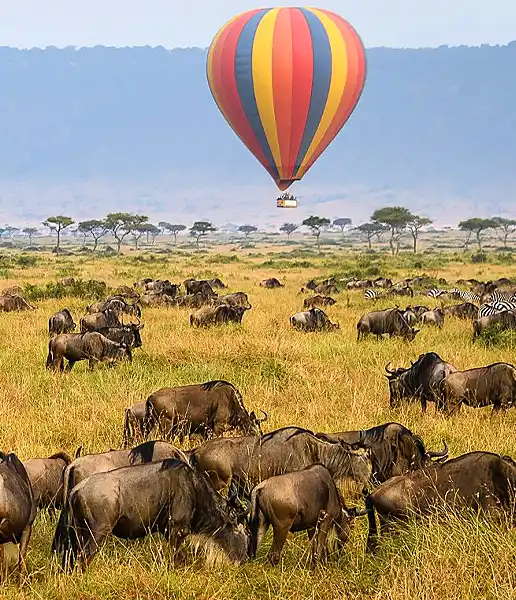
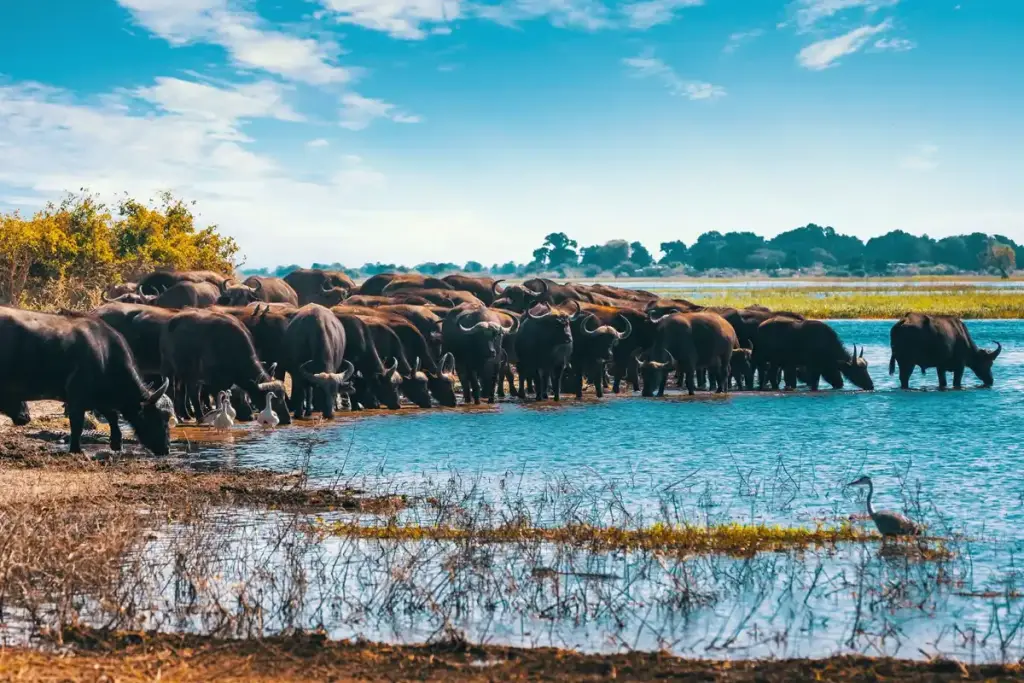
Zebras, wildebeest and buffalo grazing on the floodplains
-
Hippos resting in the hippo pools
-
Troops of olive baboons and blue monkeys in the trees
Watch for the smaller animals too: klipspringers, dik-diks and mongoose are all around.
Hot springs and other hidden spots
At the southern end of the park is Maji Moto, a group of hot springs bubbling up from underground. The steaming pools leave odd-looking mineral deposits, and they make a good photo stop.