Lake Natron at a glance: a soda lake in northern Tanzania
Introduction: why people go to Lake Natron
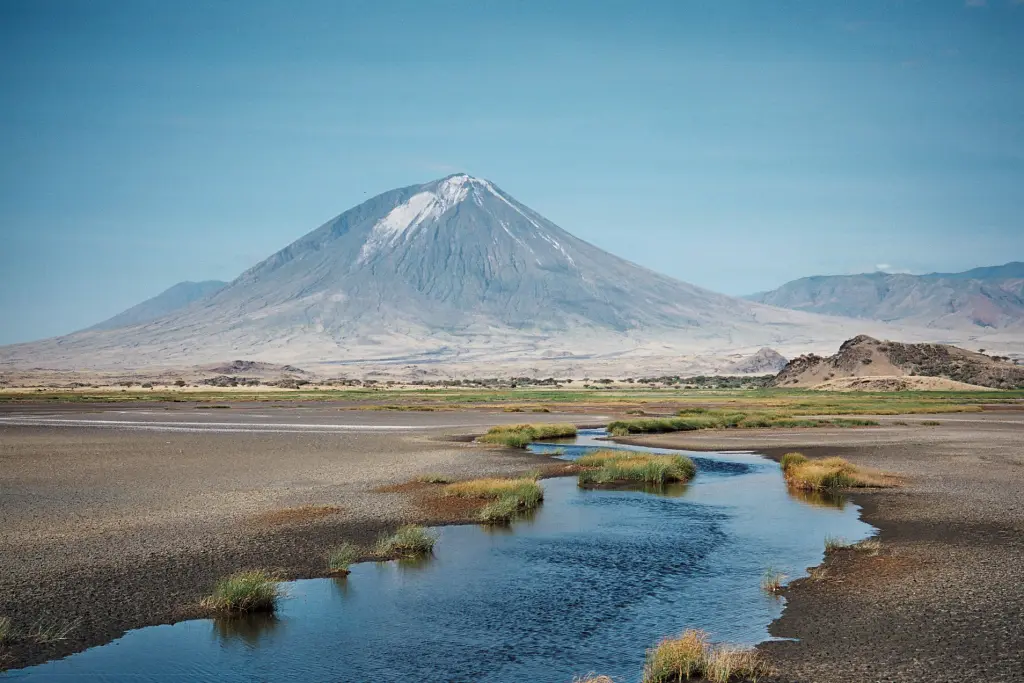
Lake Natron sits in the far north of Tanzania, below the Ol Doinyo Lengai volcano. It is hot, remote and very different from the usual safari stops. Most people know the Serengeti and Ngorongoro Crater first. This alkaline lake is for travellers who want something off the main route.
Pronunciation and location
You say it ‘Nay-tron’. The lake is in the Arusha Region of Tanzania, right on the border with Kenya, in the eastern branch of the East African Rift Valley. It is about 120 miles (193 km) northwest of Arusha city, and the Ol Doinyo Lengai volcano stands over the lake.
Where the name comes from
‘Natron’ is another name for sodium carbonate, a salt often found in dried-up lake beds. It is known as a cleaning agent. The lake holds a lot of it, and that is why the water is so alkaline.
Size and conservation status
Lake Natron covers about 58 square miles (150 square kilometers). It grows with the rains and shrinks as the water evaporates. It is not a national park, but conservation work protects the lake and its fragile ecosystem.
Why the water turns red
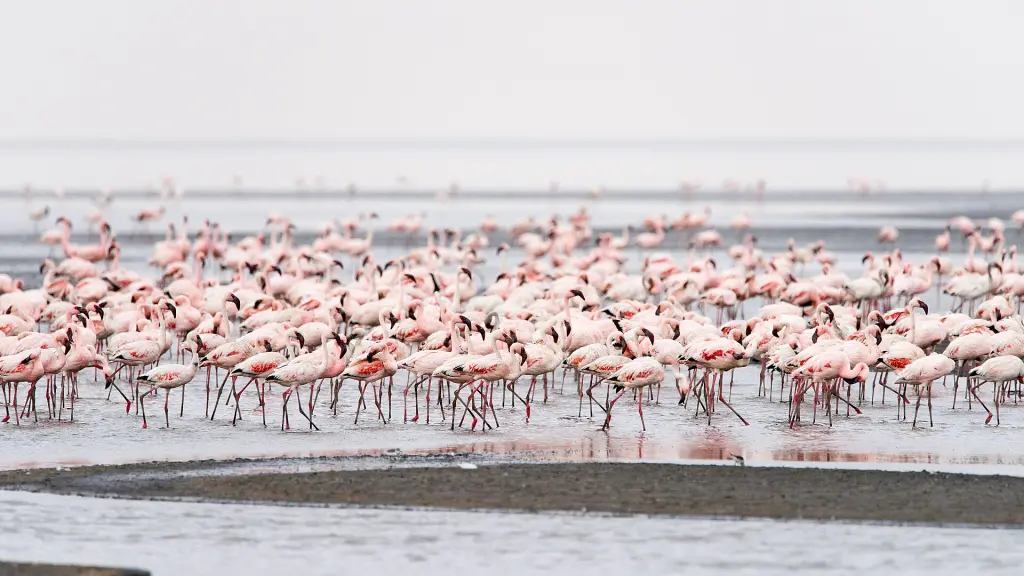
People come for the red water and the strange, harsh setting. The pH is often above 10. Tiny organisms called haloarchaea live in that water, and they turn it red and pink. It looks hostile, yet Lake Natron is a key breeding ground for the lesser flamingo.
How alkaline is the lake?
Very. The pH can reach 12, which makes the water caustic. Add air temperatures above 100°F (38°C), and the lake is a real hazard for people and for wildlife.
The “petrifying” lake: the real story
You may have heard that the lake turns animals to stone, and the nickname “Deadly Red Lake”. What actually happens is calcification. The salts coat and preserve animals that die in the lake. They do not turn to stone when they touch the water.
Geology: how the lake got this way
The Southern Ewaso Ng’iro River feeds the lake, along with hot springs full of minerals. The chemistry comes from the volcanic activity of Ol Doinyo Lengai. Over a very long time, salts and minerals built up, evaporation concentrated them, and the water became strongly alkaline.
Plants and animals at Lake Natron
Few things can live here, but some algae and microorganisms do well in the salty water. Alkaline tilapia live along the less salty edges. Millions of lesser flamingos also come to the red water, as they are well adapted to these harsh conditions.
Climate and weather
The weather matches the rest of this part of the East African Rift Valley: very hot days and little rain. The dry season from June to September is the most comfortable time to visit.
Best time to visit Lake Natron
For a general visit, go in the cooler months from June to September. If you want to see the flamingo breeding season, plan your trip between September and March, which follows the seasonal rains.
Speak To an Expert
Ask us for advice and ideas, and we will help you plan the trip you want.
Call:+1 (443) 900-8455
Chat with us on WhatsApp