Welcome to Serengeti National Park: Tanzania’s best-known safari park
Ask anyone to name one safari park, and most will say Serengeti National Park. It sits in northern Tanzania, it is a UNESCO World Heritage Site, and it covers over 14,750 square kilometers (5,700 square miles) of open, wild country.
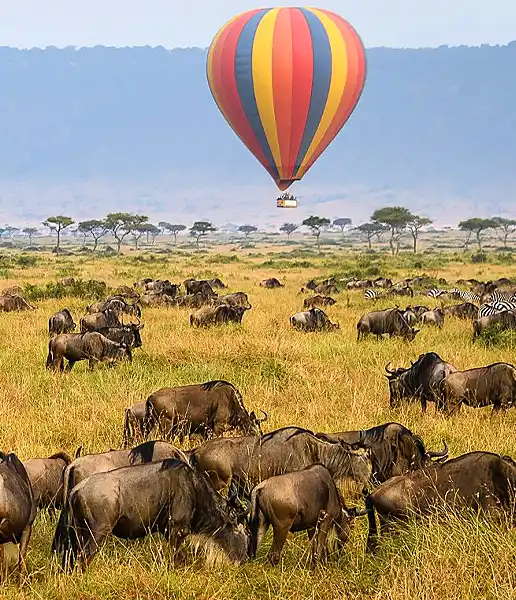
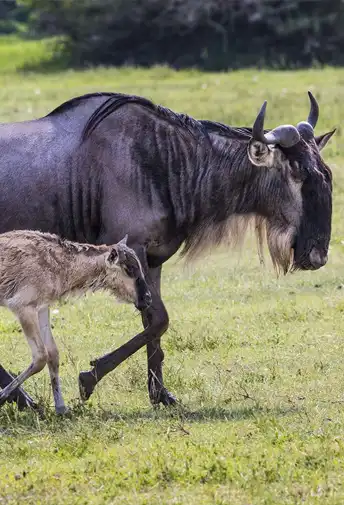
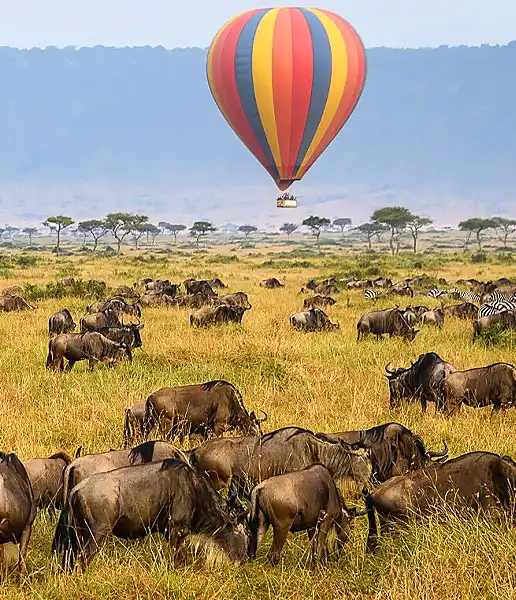
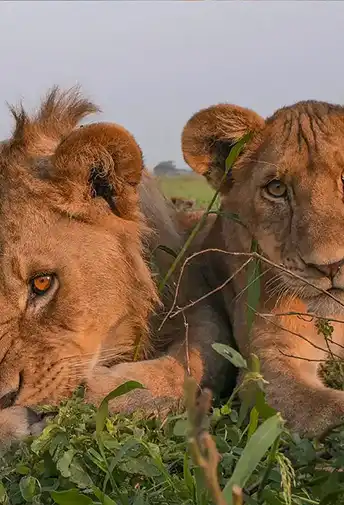
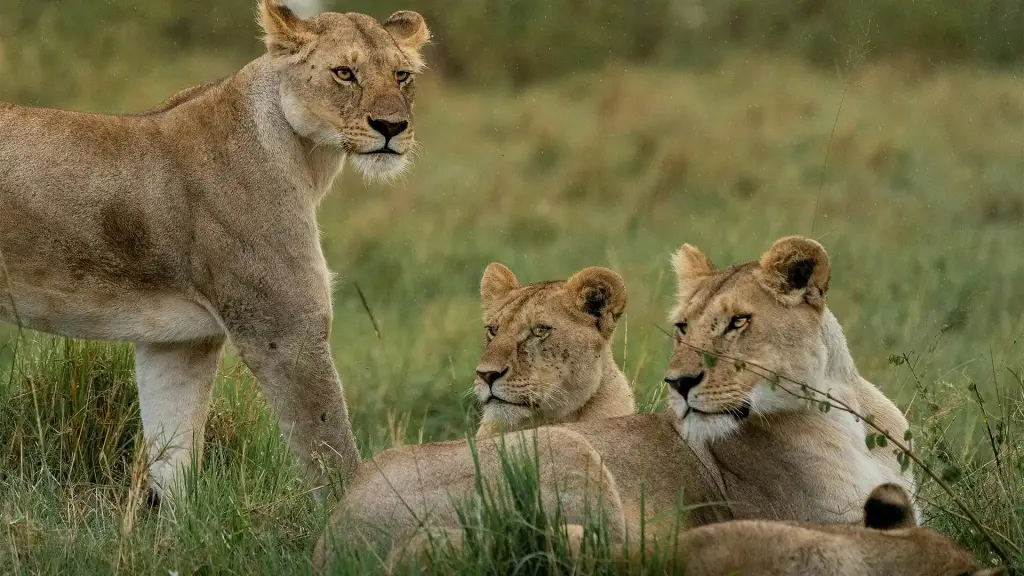
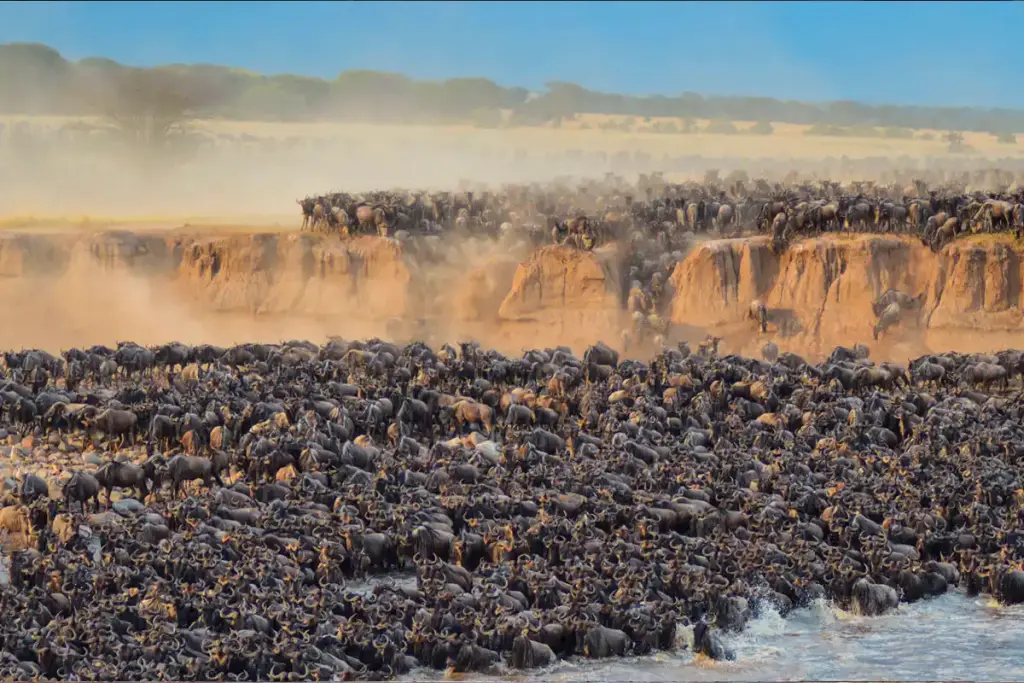
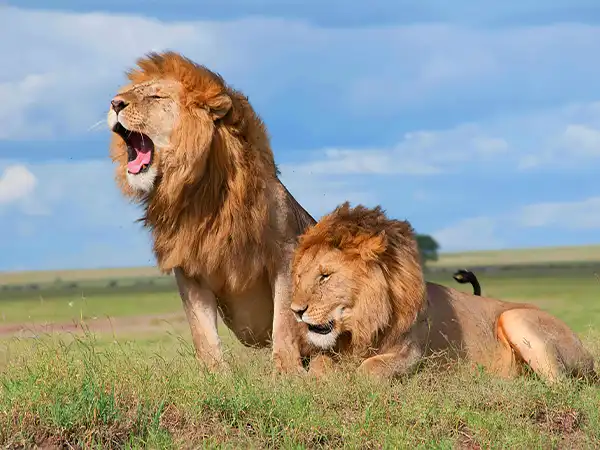
Lions move freely here, huge herds of wildebeest run across the plains, and the sunsets are often deep red. Keen wildlife photographers love it, and so do people on their very first safari.
Where Is the Serengeti?
Serengeti National Park is part of the larger Serengeti ecosystem, which also includes the Ngorongoro Conservation Area, Maswa Game Reserve, and extends all the way into Kenya’s Maasai Mara.
-
Country: Tanzania
-
Access Point: Most tours begin in Arusha, with flights or road trips into the park.
-
Closest airports: Kilimanjaro International Airport (JRO), Seronera Airstrip (within the park)
A short history of the Serengeti
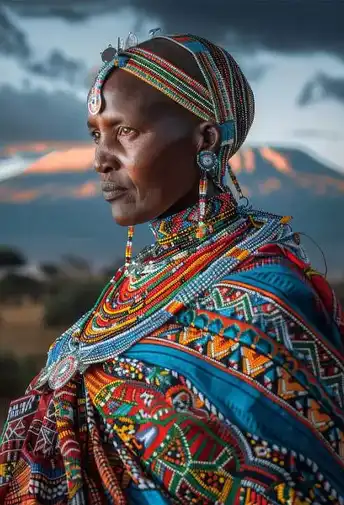
The name “Serengeti” comes from the Maasai word “Siringet”, which means “the land that goes on forever.” The park was set up in 1951, so it is one of Africa’s oldest national parks, and one of the best known.
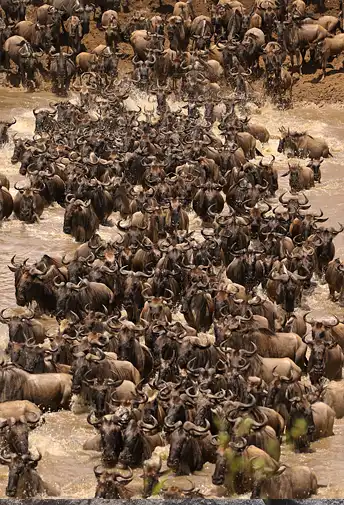
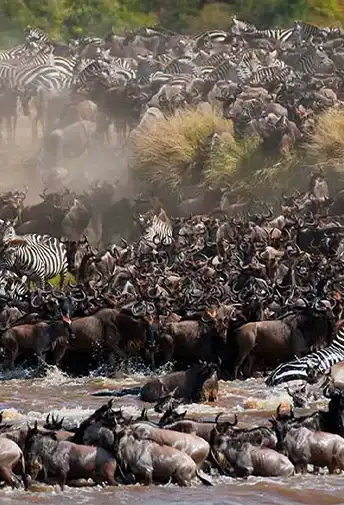
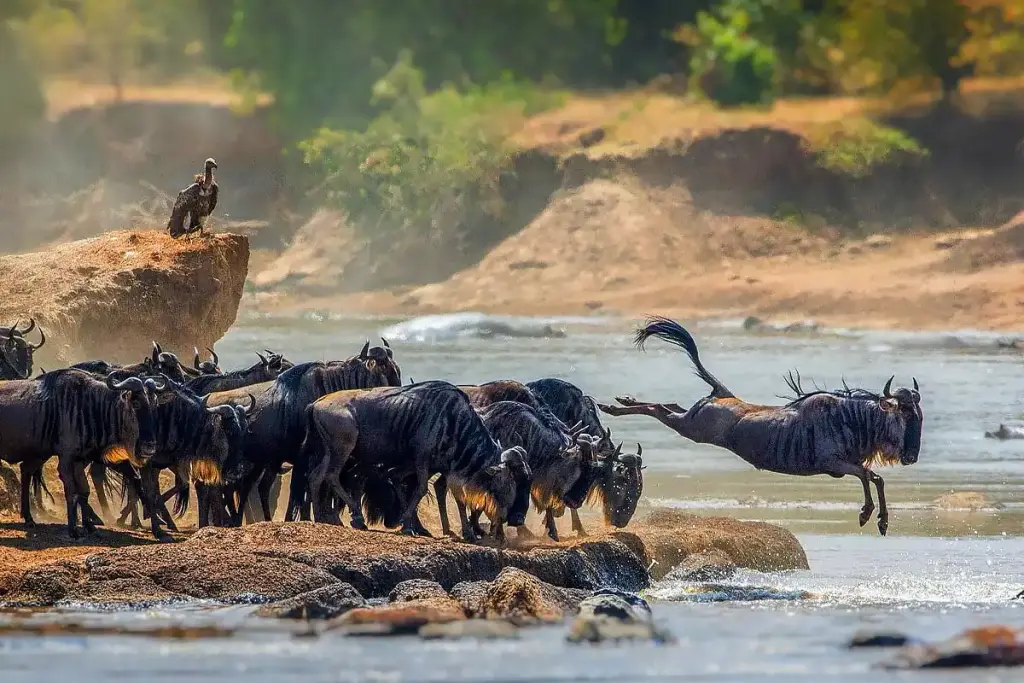
The Serengeti became famous around the world through wildlife films, through conservationists like Jane Goodall and George Schaller, and above all through the Great Wildebeest Migration, which many people call the greatest wildlife event on Earth.
Wildlife in the Serengeti
There are a lot of animals here, and something is almost always happening: a hunt, a river crossing, a lion pride on the move.
The Big Five:
-
Lions – over 3,000 of them
-
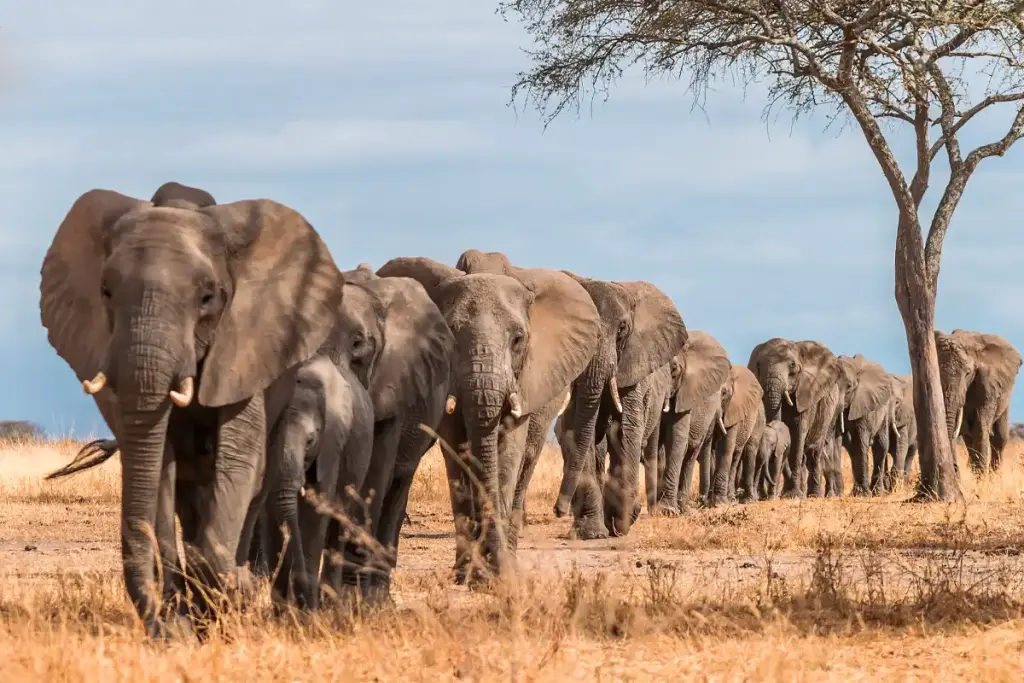
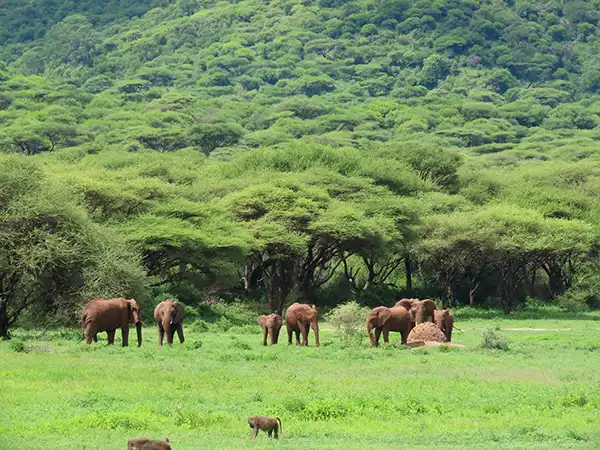
Elephants – often in the northern woodlands
-
Leopards – easiest to find resting in acacia trees
-
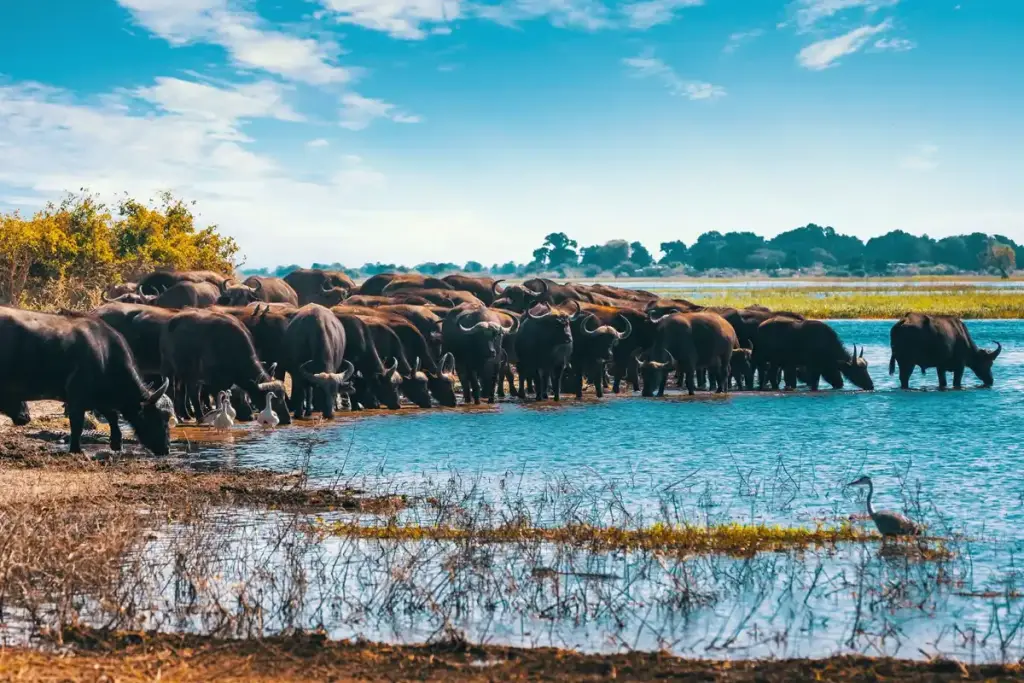
Buffalo – powerful and often unpredictable
-
Rhinos – rare, mainly found in neighboring Ngorongoro
Other animals you are likely to see:
-
Cheetahs
-
Warthogs
-
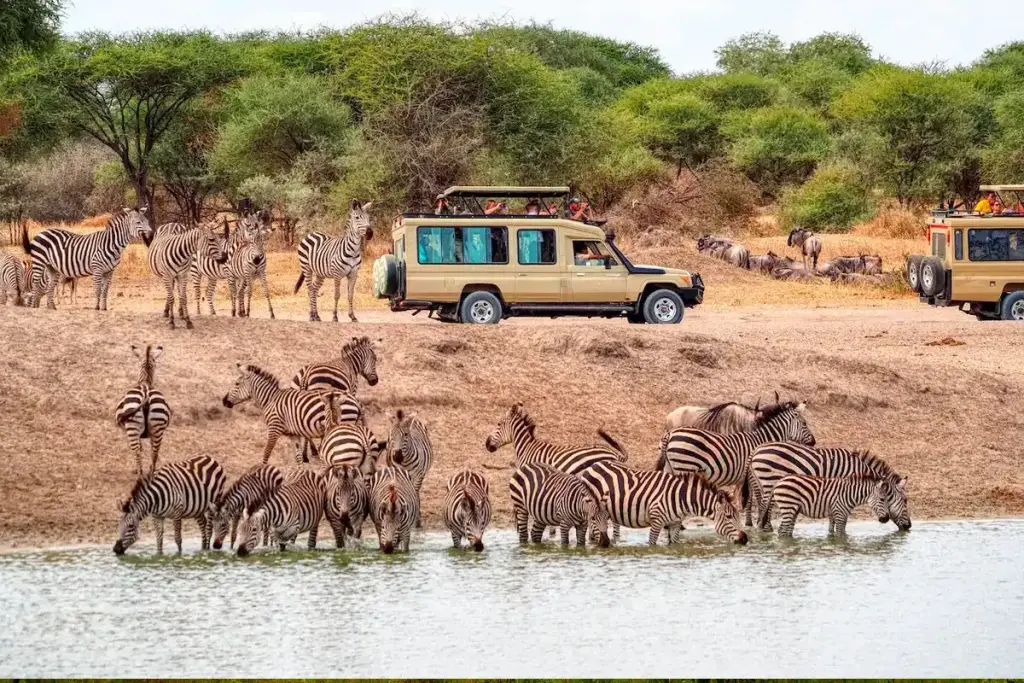
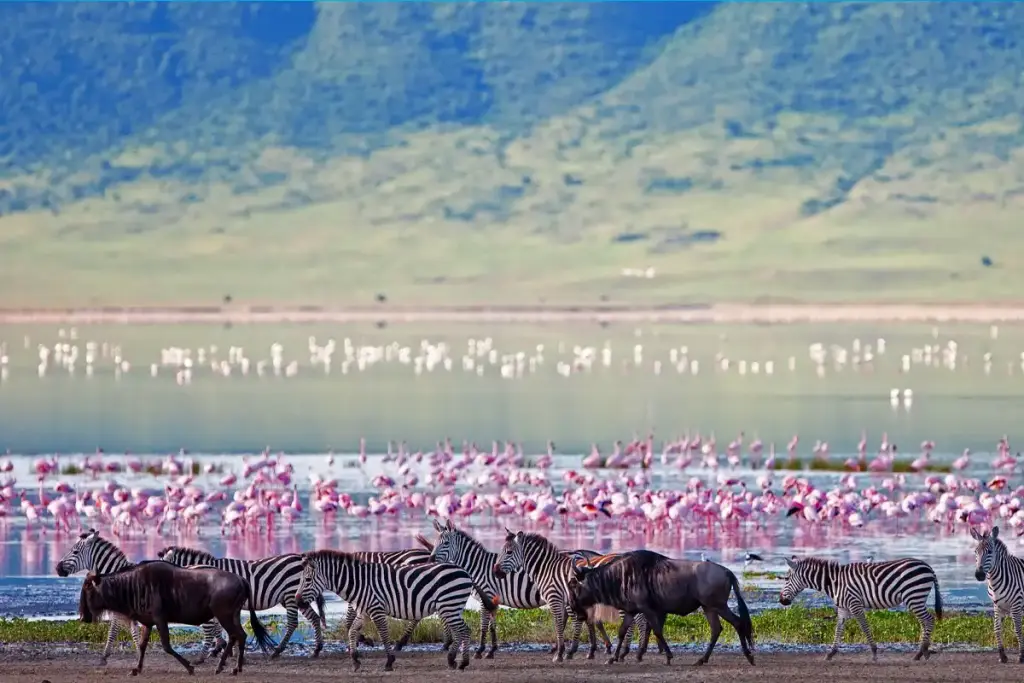
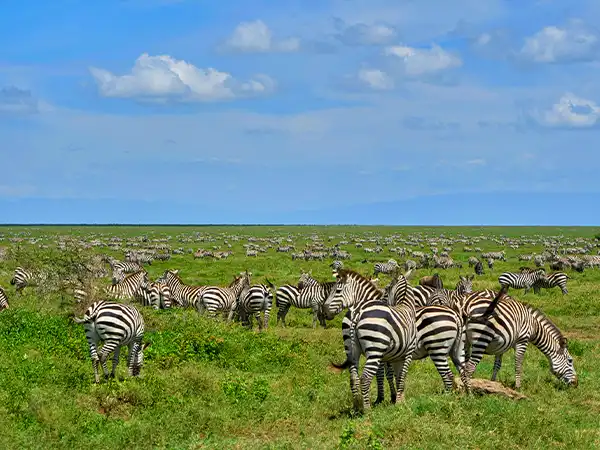
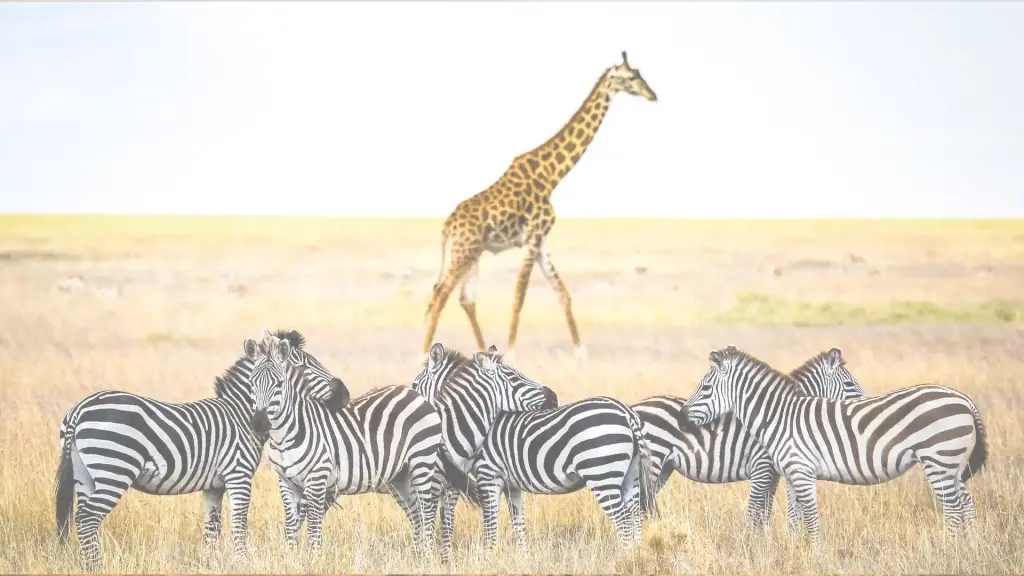
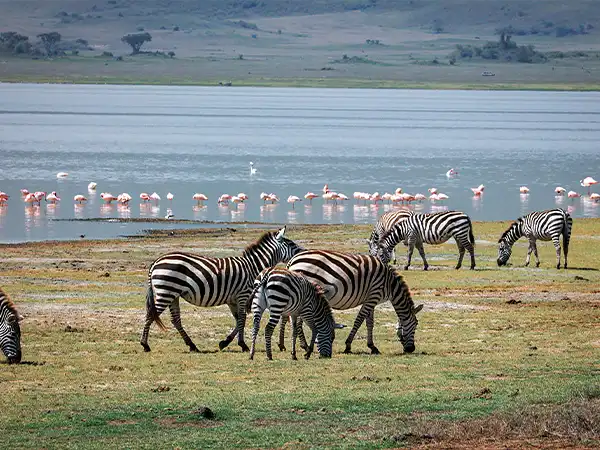
Zebras
-
Crocodiles
-
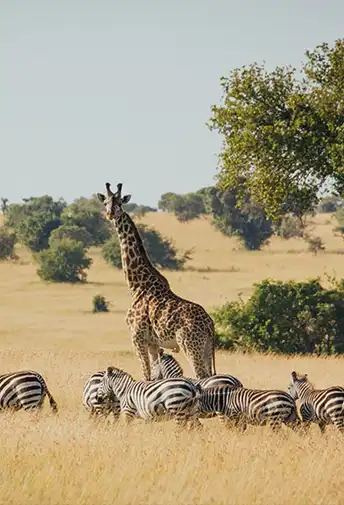
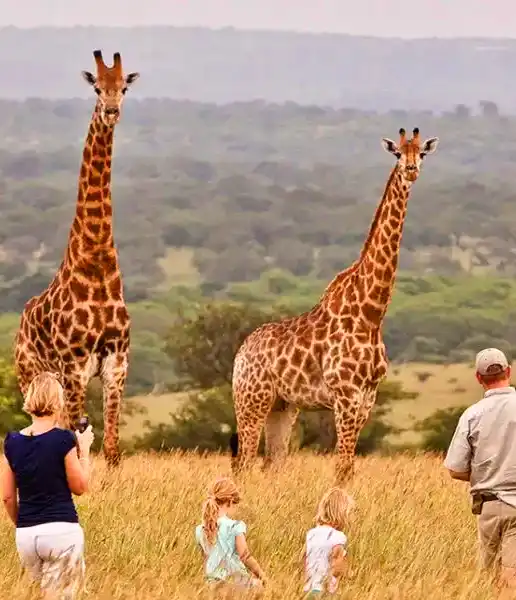
Giraffes
-
500+ bird species