Tanzania Culture & Languages
Language is a big part of Tanzania culture. The country has a lot of languages and cultures, and that is part of what makes it so interesting to visit. Most people talk to each other in Swahili, and English is used in some places too. Local tribes speak 120 languages between them, and 8 more languages came from outside the country. Sadly, 44 of these languages could disappear soon, and 2 have already gone completely. The more you learn about Tanzania’s languages, the more you see how varied the country is.
Swahili is the main language, but English matters too, especially in schools and government. The many local languages carry a lot of Tanzania’s history, and some of them are at risk. Understanding and protecting them helps keep that heritage alive for the next generations.
Tanzania has many ethnic groups, so its culture is very varied. On your trip you can meet some of these communities and get to know Tanzanians in a real, everyday way. Examples include the Maasai (Ngorongoro, Lake Natron), Sukuma (Mwanza), Chagga (Moshi, Kilimanjaro), Hadzabe (Lake Eyasi) and Hehe (Iringa).
Getting to know Tanzania culture
Most people know Tanzania for its landscapes and wildlife, but its cultures are just as worth your time. From the well-known Maasai warriors to the Hadzabe hunter-gatherers, the people here have kept their traditions for centuries while adapting to change.
Maasai: keepers of tradition
Origins and Heritage: The Maasai trace their roots back to the Nile region. Centuries ago they set out on a long migration that brought them to the wide plains of Tanzania. They are known as skilled herders and warriors, and they have held on to their culture from one generation to the next.
Nomadic Lifestyle: The Maasai are semi-nomadic. They move their cattle and goats across the grassy plains of Tanzania, and daily life centres on looking after the herds. Cattle stand for wealth, but also for social status, and they have spiritual meaning too.
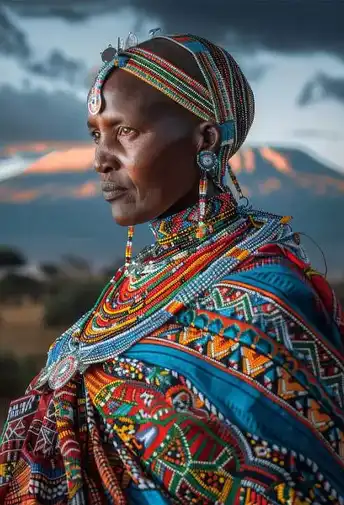
Cultural Practices: Tradition sits at the centre of Maasai life. Almost everything has a meaning, from the detailed beadwork on their clothes to the rhythm of their songs. The well-known ‘Adamu’ jumping dance, performed by warriors in bright colours, is about strength, unity and celebration.
Hadzabe: people of the bush
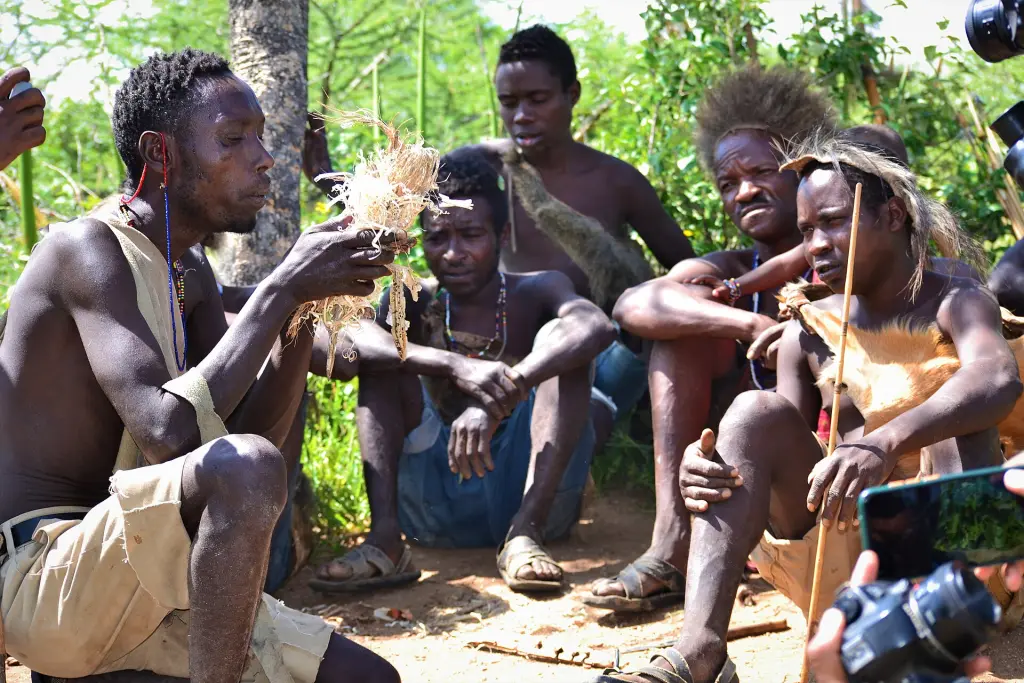
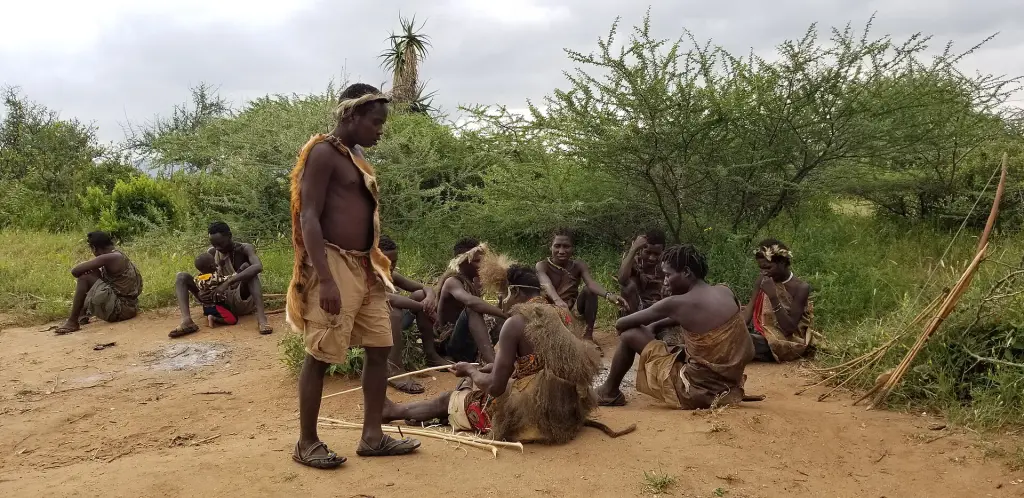
Living in Harmony with Nature: The Hadzabe, sometimes called bushmen, live along the shores of Lake Eyasi. For generations they have lived off the land around them, and they know it extremely well.
Hunter-Gatherer Lifestyle: Few people in the world still live this way, but the Hadzabe are hunter-gatherers. They are expert trackers and foragers. They know the land and what it provides, they move through rough country with ease, and they feel a strong spiritual bond with it.
Spiritual Traditions: Spirituality is part of everything the Hadzabe do. They don’t follow a formal religion. Instead, they find it in the hunt, and they pray to the sun and to the ancestral spirits they believe live in the land. Their rituals and ceremonies show how closely they are tied to the wild country around them.
Tanzania Culture: customs and traditions
Etiquette and Social Norms: A little local etiquette goes a long way in Tanzania. Use your right hand to greet people and to eat, and show respect to older people. Small things like these help you and your hosts understand each other.
Respect for Tradition: As a visitor, ask before you take photos, and follow your hosts’ lead if you join a local ceremony. Doing so shows respect for Tanzania’s cultural heritage, and it helps you make real connections with the communities you meet.
Tanzania’s history in brief
Ancient Roots and Modern Unity: Tanzania’s story runs from ancient times to the hopes of a modern nation. It takes in the famous finds at Olduvai Gorge and the union of Tanganyika and Zanzibar, and it shows how tough and determined its people are.
Struggle for Independence: Under leaders like Julius Nyerere, Tanzania threw off colonial rule and won its independence. The push for freedom and equality laid the foundations of a united, forward-looking country.
Keeping heritage alive
As Tanzania looks to the future, protecting its cultural heritage still matters a great deal. By making room for many cultures and keeping old traditions going, the country gives visitors a real look at a nation shaped by centuries of history.
Speak To an Expert
We’ll help you plan the trip that suits you.
Call:+1 (443) 900-8455
Chat with us on WhatsApp