What Makes Ngorongoro So Special?
Ngorongoro is more than a crater. It is the world’s largest inactive, intact volcanic caldera, and it is full of animals. About two to three million years ago a huge volcano blew apart and fell in on itself. What is left is a green, grassy basin where the wildlife has almost everything it needs without leaving.
A few numbers to give you a sense of it:
-
The crater spans 260 square kilometers (100 square miles).
-
Its rim rises 2,400 meters (7,874 feet) above sea level.
-
It is home to over 25,000 large animals, all year round.
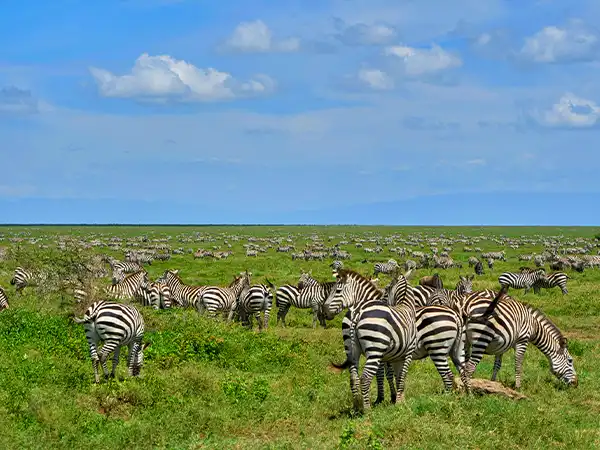
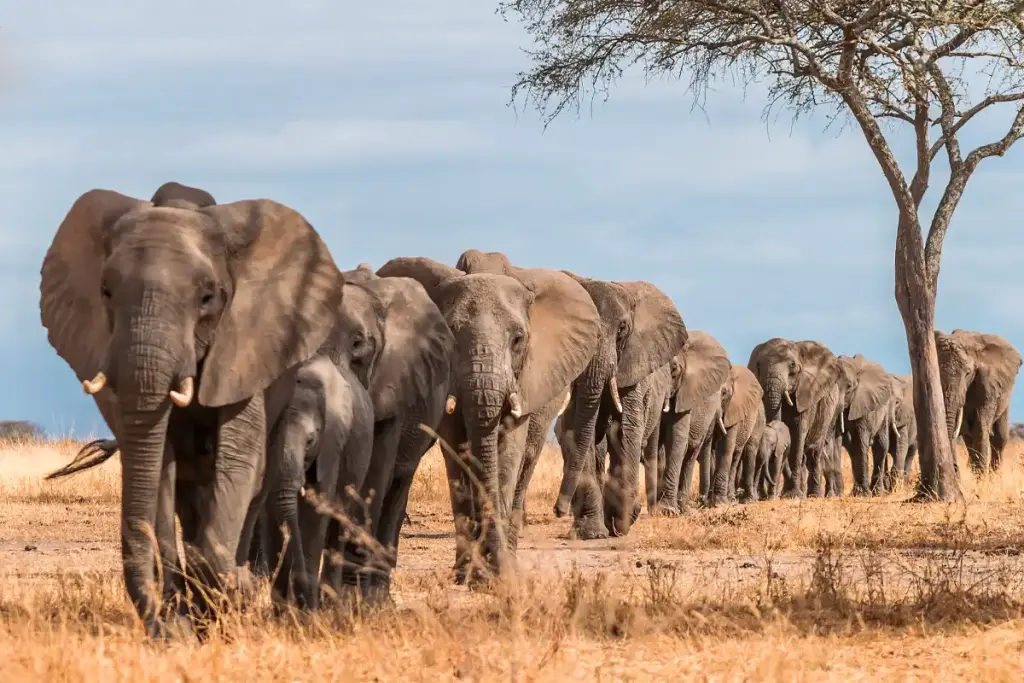
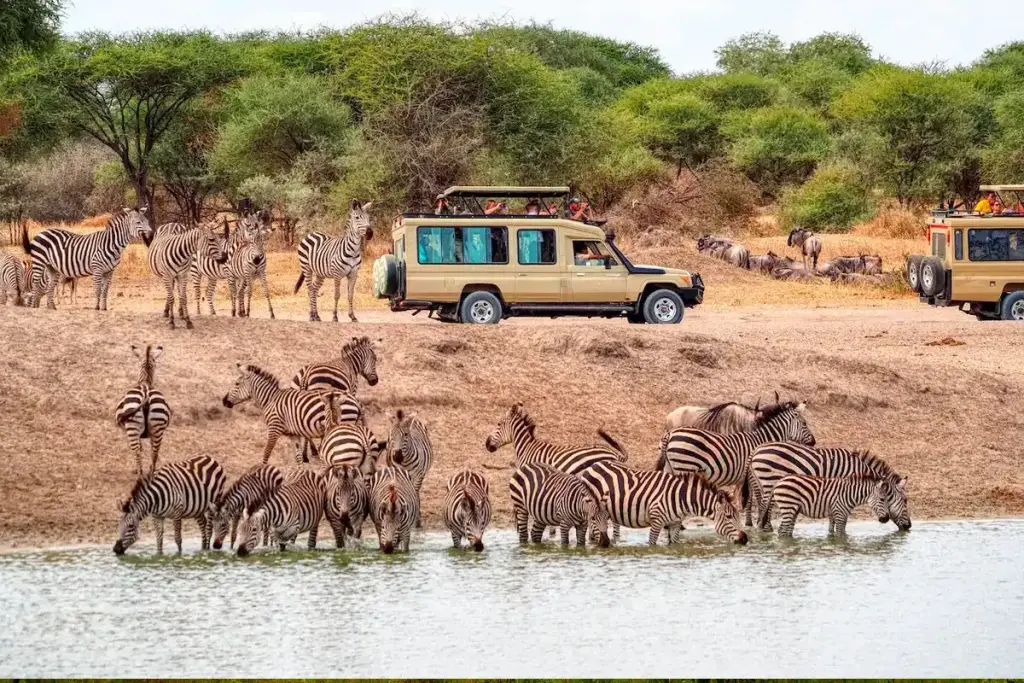
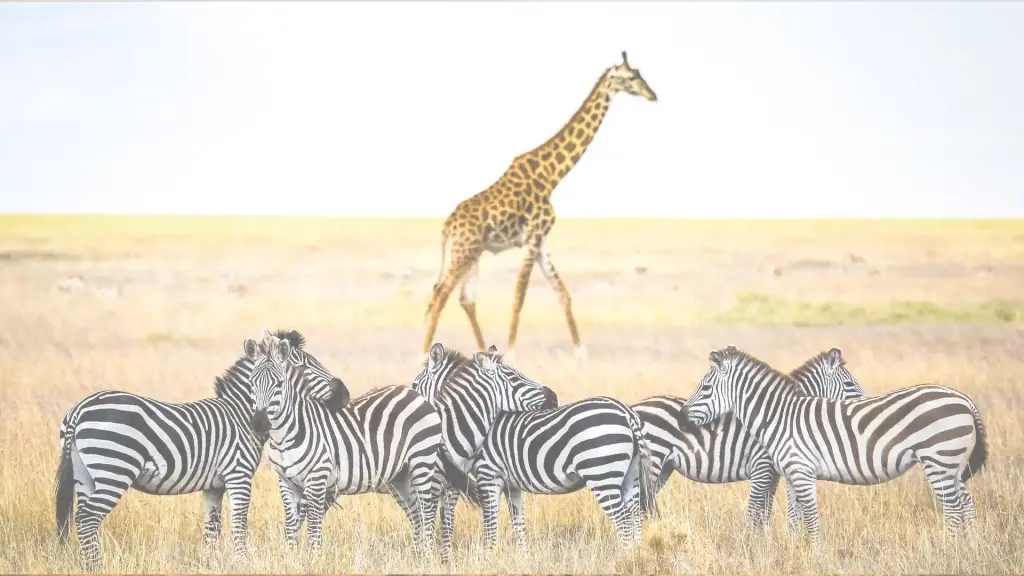
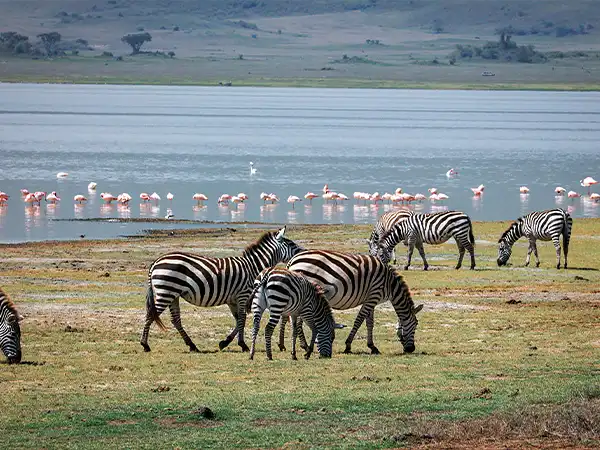
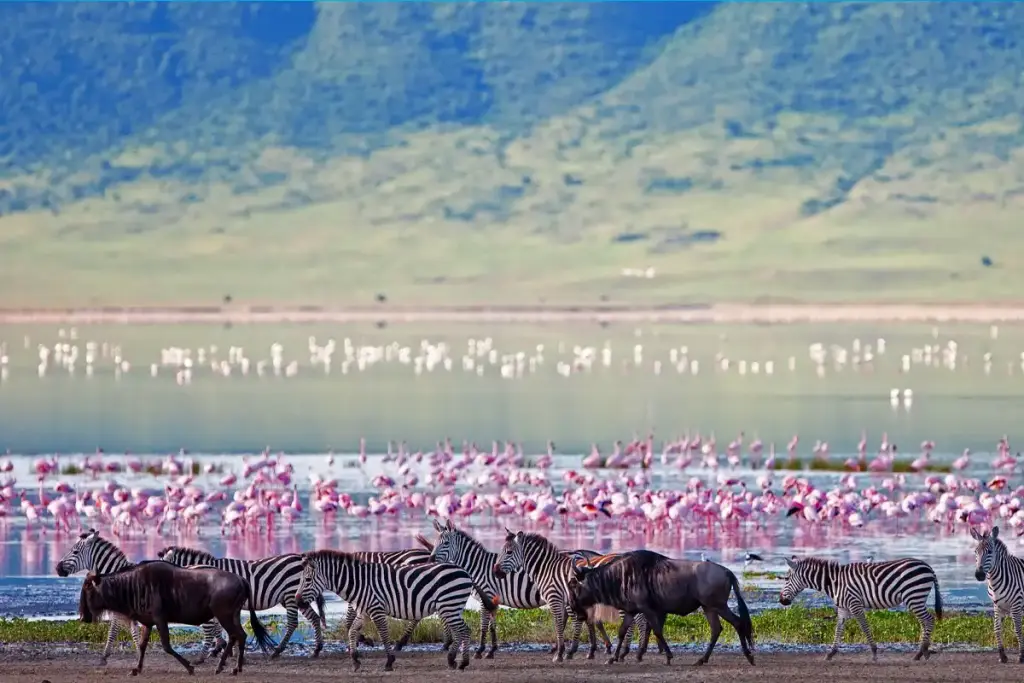
You will see lions, zebras, elephants and flamingos, and you have a real chance of critically endangered black rhinos too. They go about their day as if they own the place, and in a way they do.
Ngorongoro Wildlife: the Big 5 and More
Most people come to Ngorongoro for the animals, and it rarely lets them down.
The crater is one of the best places in Africa to see the Big Five:
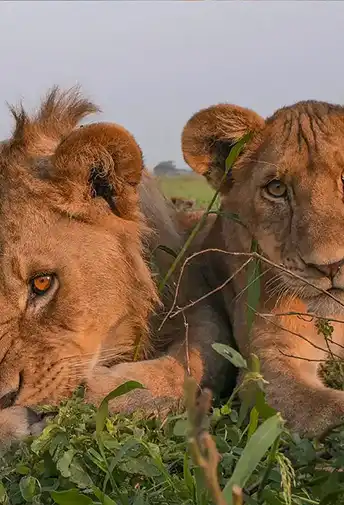
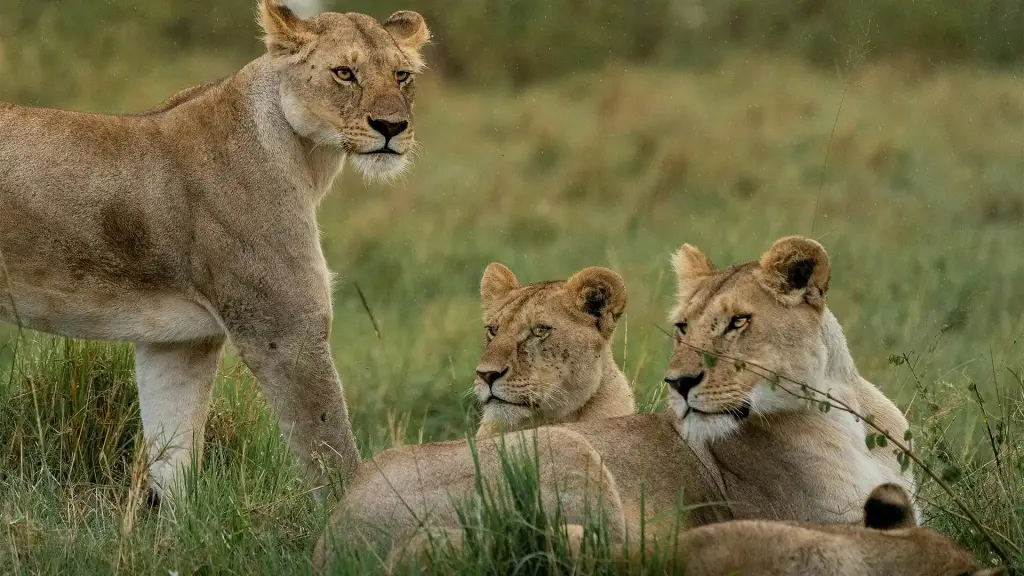
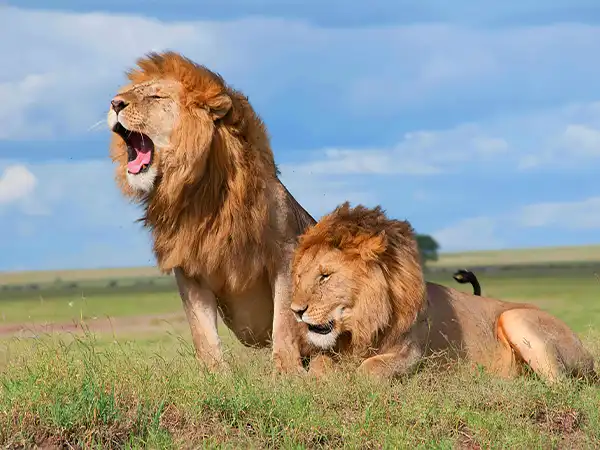
- Lion – Over 60 of them, living in prides that mostly stay inside the crater.
- Leopard – Shy, but often seen in the forest along the rim.
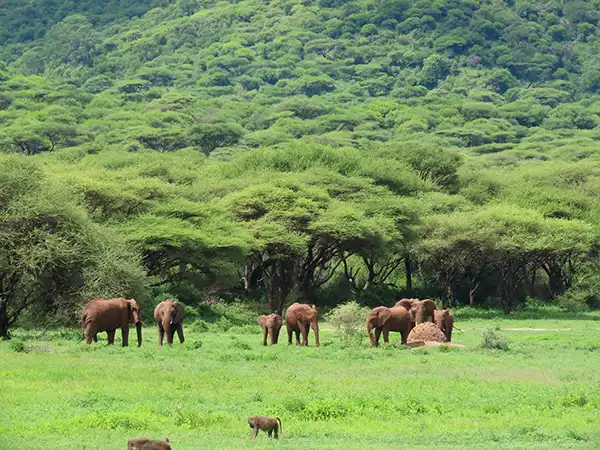
- Elephant – Older males often walk alone across the crater floor.
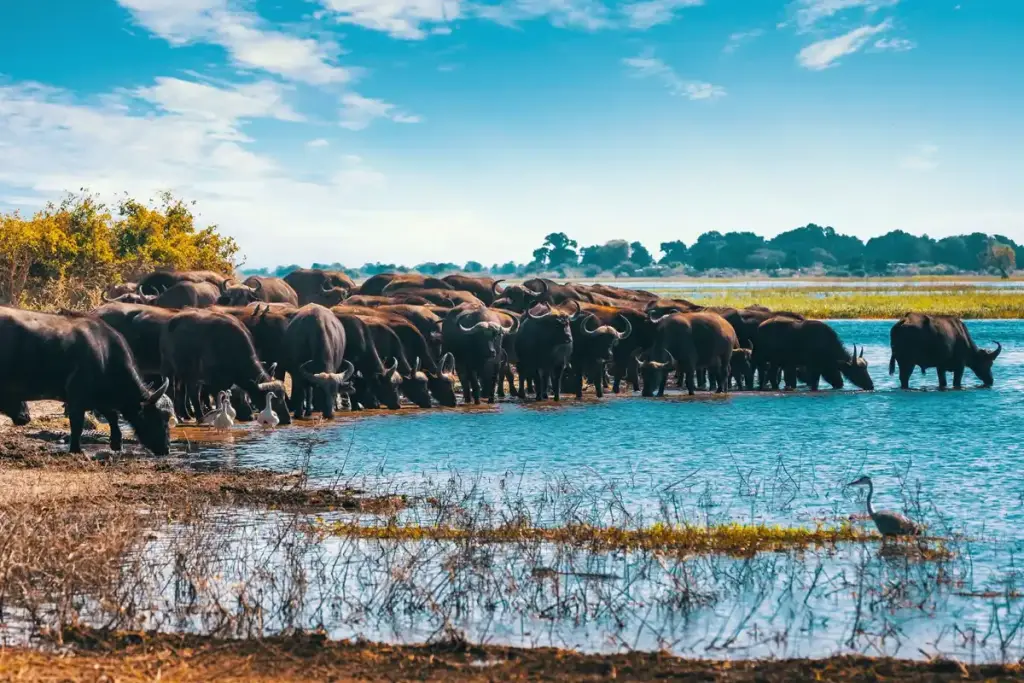
- Buffalo – Always around, often in big herds.
- Black Rhino – Critically endangered and closely guarded.
Ngorongoro also has plenty of other animals:
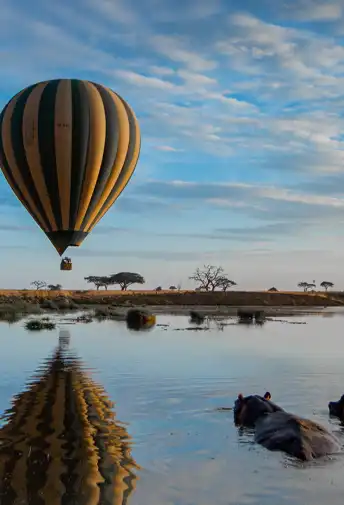
- Hippos resting in muddy pools
- Hyenas and jackals out hunting and scavenging
- Flamingos that turn the edges of Lake Magadi pink
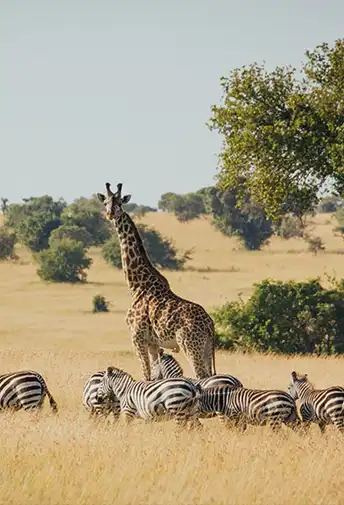
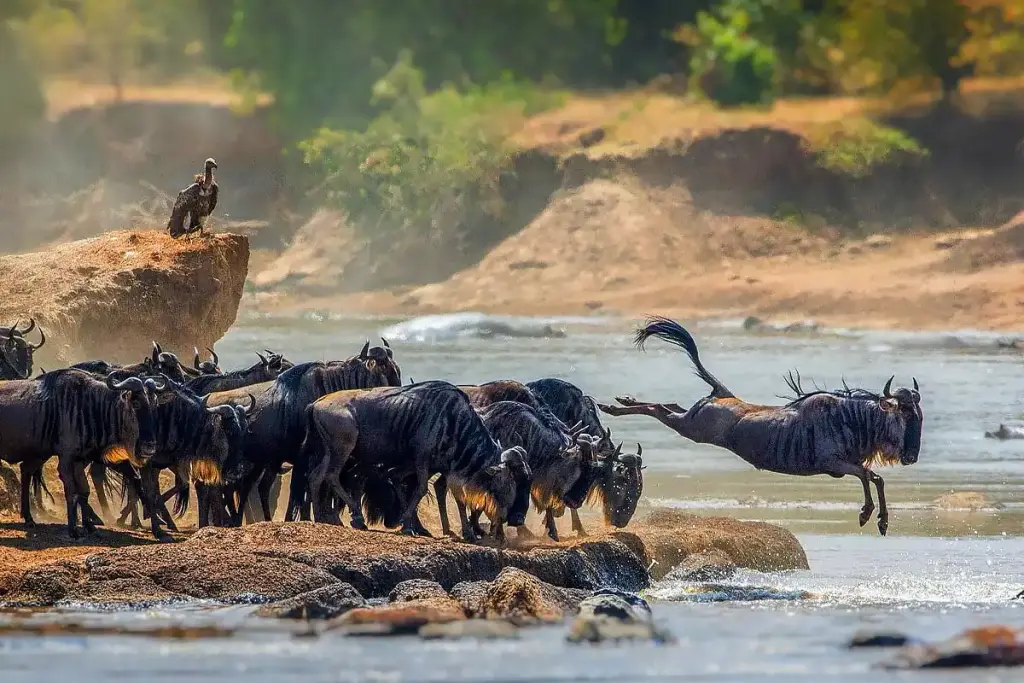
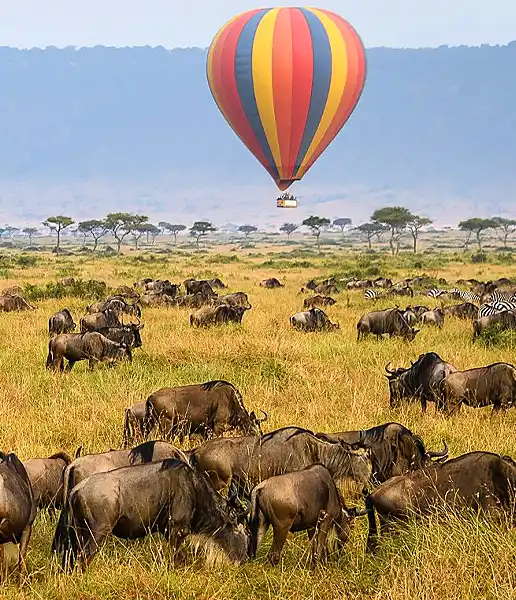
- Warthogs, gazelles, wildebeest and more
A day on the crater floor feels a bit like being inside a wildlife film, except it is real and it is happening all around you.
Beyond the Crater: Other Places in the Ngorongoro Area
The crater gets most of the attention, but the wider Ngorongoro Conservation Area (NCA) covers over 8,000 square kilometers (3,200 square miles) and has a lot more to see:
Olduvai Gorge: Cradle of Humankind
Often called the “Cradle of Mankind”, this archeological site has given up some of the oldest human fossils ever found, over 1.9 million years old. If you are interested in where humans come from, put it on your list.
Empakaai and Olmoti Craters
These two smaller volcanic craters see far fewer visitors. You get quiet hiking trails, good views and almost no other vehicles. Empakaai also has an alkaline lake in its crater, and flamingos often gather there.
Lake Ndutu
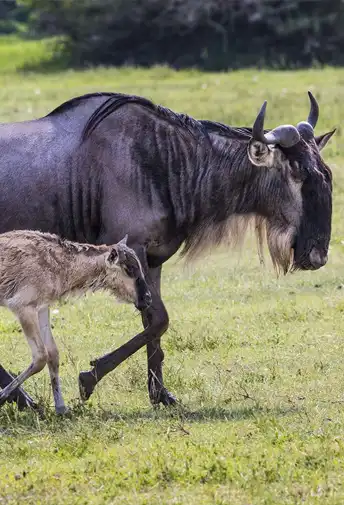
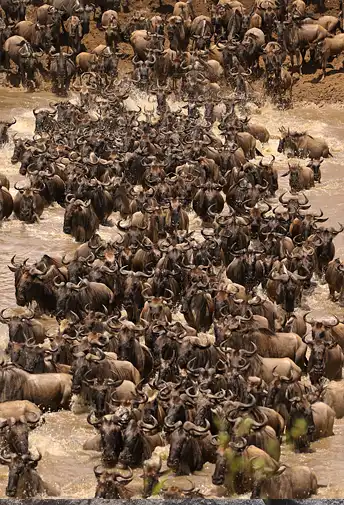
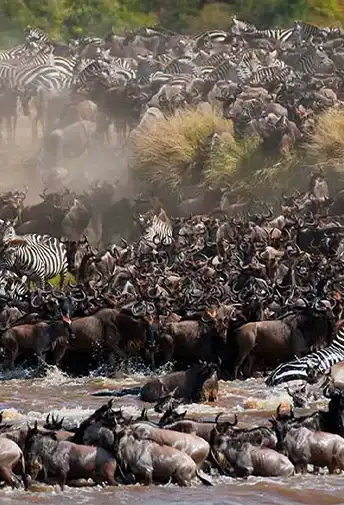
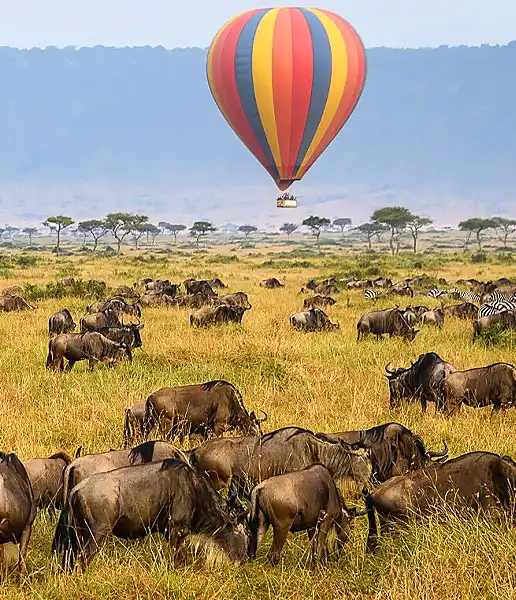
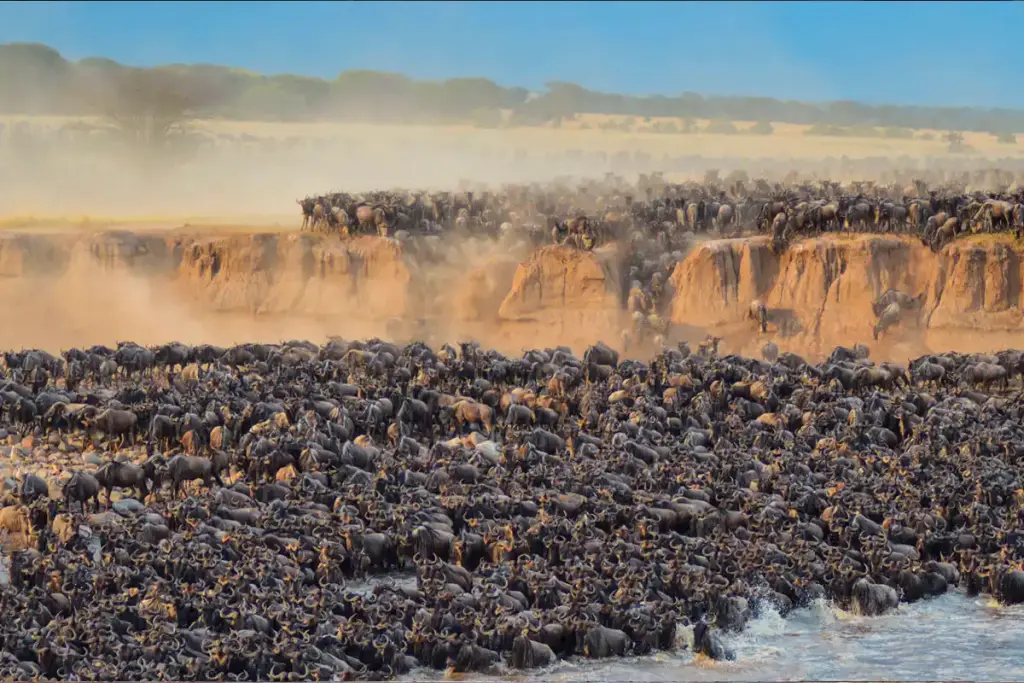
This seasonal lake is one of the main places to see the Great Wildebeest Migration during calving season (Jan–Feb). Expect newborn calves, lots of predators hunting, and huge numbers of animals in one place.