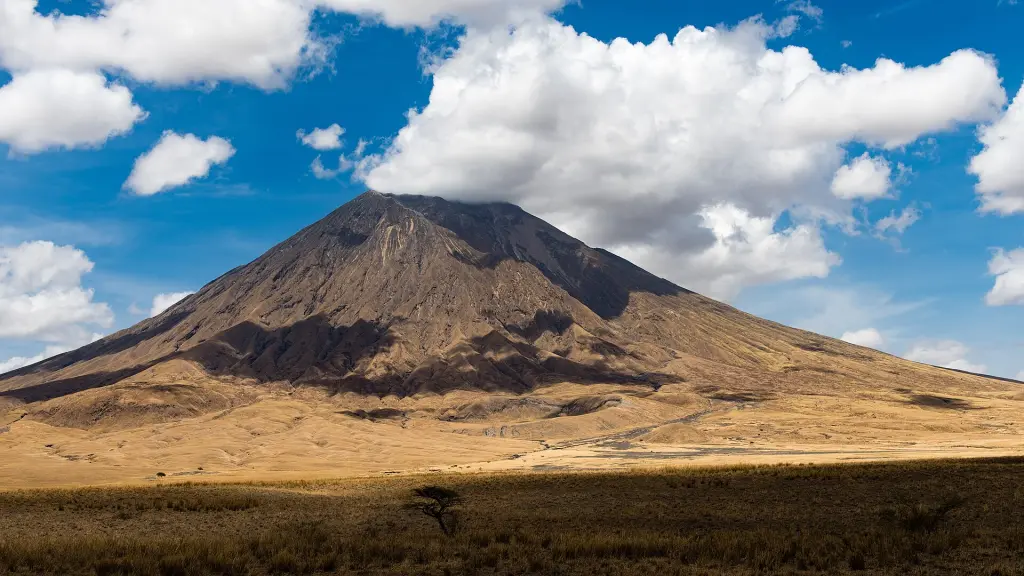
Ol Doinyo Lengai: East Africa’s sacred volcano
Introduction: a volcano that is still active
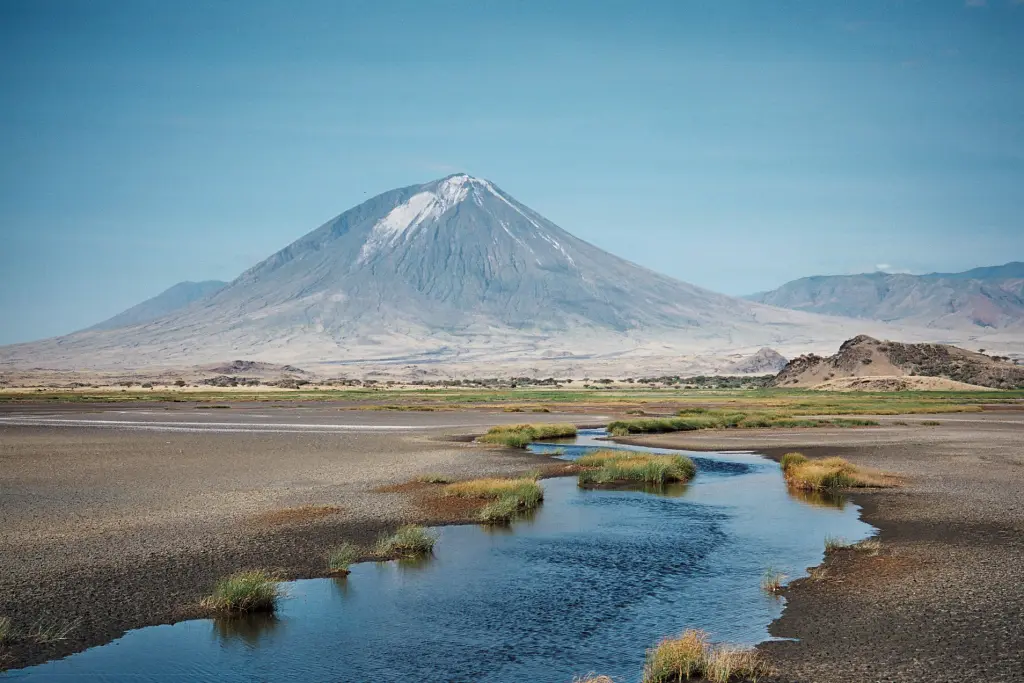
Ol Doinyo Lengai stands just south of Lake Natron, and it is East Africa’s only active volcano. The Maasai call it the “Mountain of God” and treat it with deep respect. For visitors, it is a close look at the forces that shaped this whole region.
Geology: why Ol Doinyo Lengai matters
The peak rises 2,878 meters above sea level. It has a long record of explosive eruptions, roughly every twenty to forty years. Well-known eruptions include 1966, 1983, 1993 and 2007. Its lava is natrocarbonatite, which is rich in sodium and potassium carbonates, and that makes this volcano very unusual.
The lava: unusual chemistry
Natrocarbonatite lava is low in silicon and runs at fairly low temperatures, from 500 to 600°C. That is very different from normal magma. When it flows, it looks like runny black oil. Once it touches anything damp, it turns white.
Summit craters: one quiet, one active
There are two craters at the top. The southern crater is dormant and covered in volcanic ash. The northern crater is the active one, and it drops more than 200 meters. Lava still flows inside it, and that is what most climbers come up to see.
Climbing Ol Doinyo Lengai: a hard climb
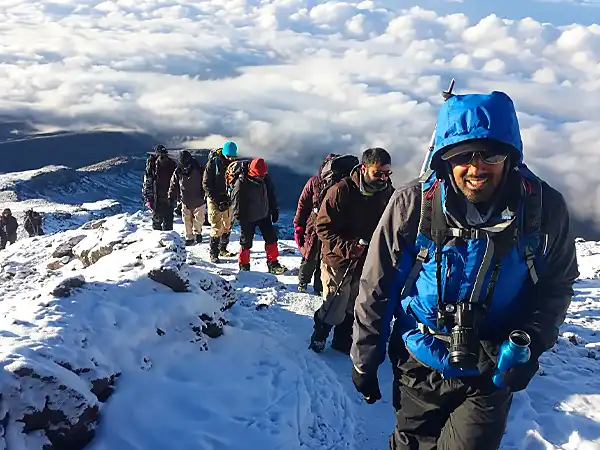
Be ready for a tough day. The heat often goes above 40°C, so the climb starts in the dark. You walk up through the night and reach the summit around sunrise, when the sky turns red and gold. The wide views on the way are a good reward for the effort.
Views from the top: Lake Natron, the Rift Valley and Kilimanjaro
From the top you can see a long way across East Africa. Lake Natron lies to the north, shining in the sun. To the west is the wide floor of the Great Rift Valley. Far to the east stands Mount Kilimanjaro, with snow on its summit.
Speak To an Expert
Talk to us for advice and ideas to make this trip right for you.
Call:+1 (443) 900-8455
Let's Chat on WhatsApp