Tanzania Food
Tanzania food mixes ideas from the neighboring countries with Indian cooking. On your Tanzania Safari Tours you’ll taste a lot of different flavors that come from this mix. Many dishes share their name and taste with dishes in neighboring Kenya, so if you’ve eaten there, some of this will feel familiar.
Let’s start with breakfast in Tanzania
Any talk about Tanzania Food has to start with breakfast. Expect a mix of sweet and savory, and enough to keep you going until lunch. A typical Tanzanian breakfast has several dishes, so there’s usually something for everyone.
Here’s what you might find on the breakfast table in Tanzania:
-
Eggs:
Scrambled, fried or boiled. They give your breakfast a good dose of protein.
-
Crepes or Chapati:
Light crepes or soft, unleavened chapatis come with the eggs, and they go well with sweet or savory toppings.
-
Potatoes:
Potatoes come as a side dish or as part of other breakfast dishes, and they make the meal more filling. They may be fried, roasted or made into dishes like hash browns.
-
Fresh Fruits:
Whatever is in season, such as mangoes, pineapples, papayas and bananas. They add color and natural sweetness to the table.
-
Freshly Squeezed Juice:
Fresh fruit juices, such as orange or passion fruit, give you vitamins and something cool to drink with your meal.
-
Tea and Coffee:
No Tanzanian breakfast is complete without them, and they help wake you up. Have Tanzanian coffee or chai tea, whichever you prefer.
-
Accompaniments:
You may also find sliced tomatoes, avocado or spicy sauces to go with the eggs, chapatis or potatoes.
With potatoes on the table too, a Tanzanian breakfast is filling and varied, and it shows how much the country grows. Whether you have eggs with fried potatoes or chapatis with a potato dish, breakfast in Tanzania sets you up well for a day out on safari.
What Do Tanzanians Eat for Lunch or Dinner?
There are many Tanzania Food dishes to choose from. Here are 14 popular ones that Tanzanians eat at lunch, dinner or any main meal.
-
Ugali:
Ugali is simple and filling. Maize flour and water are cooked slowly until the mix turns thick, like a dough. People eat it with their hands: roll a small ball and use it to scoop up stew or sauce. Ugali is the staple food in Tanzania, and it also stands for togetherness, since family and friends often share it at mealtimes.
-
Pilau:
Tanzanian pilau smells as good as it tastes. The rice is cooked with spices such as cloves, cardamom, cinnamon and cumin, plus onions, garlic and sometimes meat or vegetables. It is savory and well spiced, and it is a favorite for special occasions and celebrations.
-
Chapati:
Tanzanian chapati is a flatbread that goes with almost anything. The dough is wheat flour, water, salt and sometimes oil. It is kneaded until soft and stretchy, rolled thin and cooked on a hot griddle until golden brown. Chapati is soft and chewy, and great for mopping up sauces and stews.
-
Chipsi Mayai:
Chips and omelette in one pan, and a popular street food in Tanzania. Crispy fries are mixed with beaten eggs and fried until golden. It usually comes with ketchup and a small salad of sliced tomatoes and onions.
-
Mishkaki:
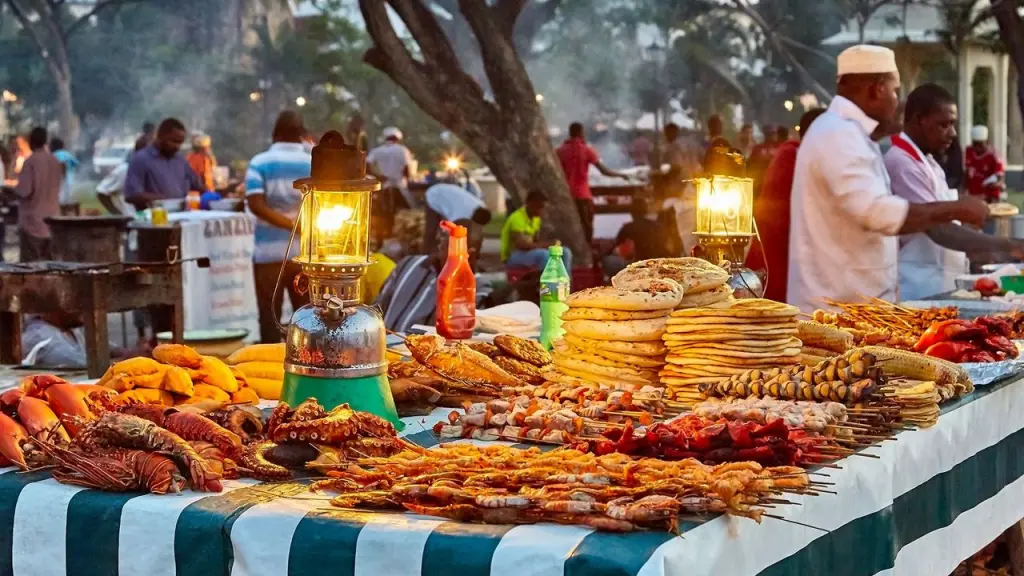
Mishkaki are meat skewers, and Tanzanians love them as street food. The meat, usually beef or chicken, is marinated in spices and grilled over charcoal until it is tender and a little charred at the edges. You’ll find mishkaki sellers on street corners and in markets.
-
Nyama Choma:
Nyama choma means grilled meat, usually beef, goat or chicken, and it is one of Tanzania’s best-known dishes. The meat is seasoned with salt, pepper and spices, then grilled over an open fire until smoky and tender. It often comes with ugali and kachumbari on the side, which makes it a full meal.
-
Ndizi Nyama:
This dish puts two Tanzanian staples together: bananas and beef. Green bananas are cooked until soft and served with a beef stew made with onions, tomatoes and spices. It is warm and filling, and it shows how many ways Tanzanians cook bananas.
-
Nyama Mchuzi:
A creamy beef stew and a favorite comfort food in Tanzania. The beef is slow-cooked in a coconut milk sauce with onions, garlic, ginger and spices until it is tender. It usually comes with rice, ugali or chapati.
-
Maharage ya Nazi:
A vegetarian dish of beans in a coconut milk curry sauce. The beans are simmered with onions, tomatoes, garlic and spices until soft and creamy, then served over rice or with chapati. It is tasty and good for you.
-
Choroko Nazi:
This one is a lot like maharage ya nazi, but made with chickpeas in a coconut milk sauce. The chickpeas are spiced and simmered until tender. It is a good, filling choice for vegetarians.
-
Kachumbari:
A simple side salad of diced tomatoes, onions and sometimes peppers, with salt, pepper and lime juice. It is fresh and sharp, and it balances the heavier main dishes.
-
Zanzibari Cuisine:
Food on Zanzibar reflects the island’s long history and its mix of cultures, and it leans heavily on seafood and spices. Grilled fish, octopus curry and seafood stews made with coconut are just a few of the dishes you’ll find there.
-
Urojo:
Urojo is a tangy stew and a much-loved street food in Zanzibar. It has a bit of everything: potatoes, lentils, cassava chips and fried snacks like bhajias and samosas, all in a sour, spicy broth. If you want one dish that sums up the flavors of Zanzibar, try this one.
-
Mandazi:
Mandazi are deep-fried doughnuts, eaten as a snack or a dessert all over Tanzania. They are made with flour, sugar, coconut milk and spices such as cardamom and cinnamon, then fried until golden and crisp outside and soft inside. People often have them for breakfast with a cup of chai tea, or as a sweet snack at any time of day.
Between them, these dishes give you a good picture of Tanzania Food and its many flavors. Locals and visitors both love them.
Tanzania Safari Guide FAQs
Here are some of the questions we get asked most often about Tanzania safaris:
When is the best time to go on a Tanzania safari?
It depends on what you want to see. The dry season (June to October) is best for wildlife, because animals gather around water. The wet season (November to May) brings green landscapes and fewer visitors, but heavy rain can make some areas hard to reach.
What wildlife can I expect to see in Tanzania?
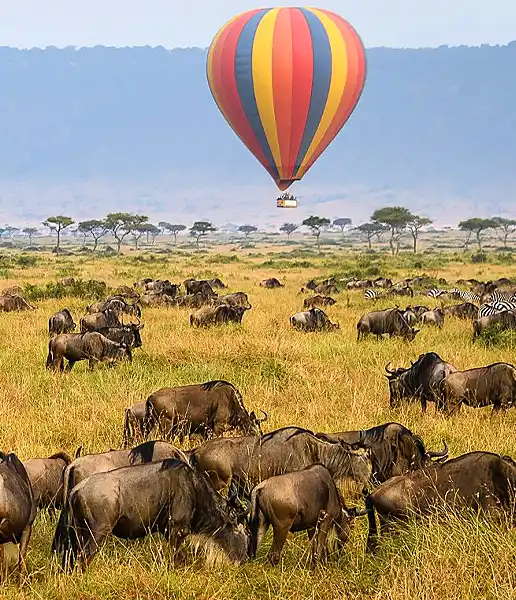
A lot. Tanzania has the Big Five (lion, elephant, buffalo, leopard and rhinoceros), plus giraffes, zebras, wildebeests, cheetahs, hippos, crocodiles and many kinds of birds.
What are the main national parks and reserves in Tanzania?
The best-known national parks and reserves in Tanzania are Serengeti National Park, the Ngorongoro Conservation Area, Tarangire National Park, Lake Manyara National Park and Selous Game Reserve.
Do I need a visa to visit Tanzania?
Most visitors need a visa. You can get one when you land at the airport, or online before you travel. The rules depend on your nationality, so check with the Tanzanian embassy or consulate in your country.
What type of accommodations are available on a Tanzania safari?
You can stay anywhere from luxury lodges and tented camps to budget campsites. Each feels different, and the facilities range from basic to very comfortable.
Is it safe to go on a Tanzania safari?
Tanzania is generally a safe place to travel, and that includes safaris. Still, take sensible care: follow your guide’s advice, keep up with local news and keep an eye on your belongings.
What should I pack for a Tanzania safari?
Bring light, breathable clothes, strong walking shoes, a hat, sunglasses, sunscreen, insect repellent, a camera with spare batteries and memory cards, and any medicines you need.
What kind of vehicles are used for safari game drives?
Most safari companies in Tanzania use tough four-wheel-drive vehicles, such as Land Rovers or Land Cruisers, with pop-up roofs so you can stand and watch the animals. They are roomy and comfortable, and built for the rough roads in the national parks and reserves.
Are there any cultural experiences available on a Tanzania safari?
How can I book a Tanzania safari?
You can book a Tanzania safari through our Contact Form, or get in touch with us by email or phone.