Travel insurance for Tanzania
Good Tanzania travel insurance means you have help, and money back, if something goes wrong on your Tanzania safari tour. We put your safety first while you are in the country. Insurance adds another layer of cover for the things nobody can plan for.
Here is why Tanzania travel insurance matters, and what a policy usually covers:
- What a policy covers:
- Emergency Evacuation/Repatriation of Remains
- Trip Delay
- Baggage and Personal Effects
- Baggage Delay
- Trip Cancellation
- Trip Interruption
- Emergency Medical Expenses
- Why you should insure your trip:
- You may have to cancel because of something you can’t control, like a cancelled flight, an illness or an injury.
- If you get sick or hurt on the trip, you can get to medical care and the bills are covered.
- You can relax and enjoy your holiday without worrying about surprise costs.
- Common types of cover:
- Trip cancellation, interruption, and baggage insurance.
- Coverage for a single trip or multiple trips.
- Emergency medical cover up to a set limit.
- Medical costs to look for:
- Hospital and doctor’s fees.
- Private nursing care.
- Treatment for dental accidents.
- Ambulance services for emergencies.
- Transport to a hospital from remote areas in a medical emergency.
- Non-medical cover:
- Money back for cancelled or interrupted trips.
- Cover for lost or stolen luggage.
- Money back if you have to come home early.
Please take out Tanzania travel insurance, especially if this is your first visit to the country for one of our Tanzania safari tours. We have safari packages for different tastes, from a budget safari to a luxury safari, and we shape the itinerary around you. With good insurance in place, you can enjoy the trip without the worry.
Tanzania safari guide FAQs
Here are answers to the questions we hear most often about Tanzania safaris:
When is the best time to go on a Tanzania safari?
It depends on what you want to see. The dry season (June to October) is best for wildlife, because animals gather near water. The wet season (November to May) is green and quieter, but heavy rain can close off some areas.
What wildlife can I expect to see in Tanzania?
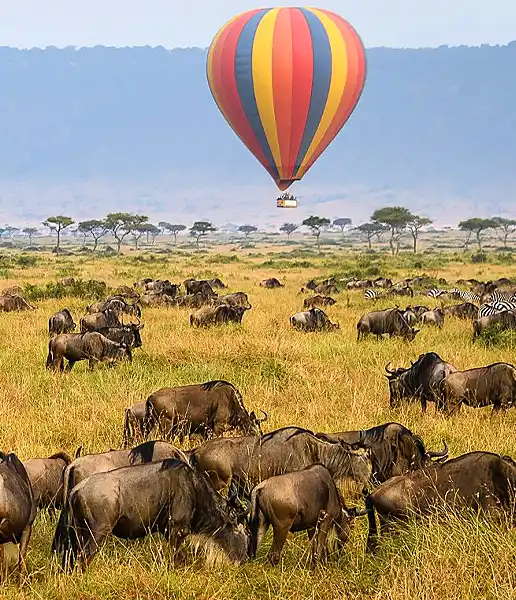
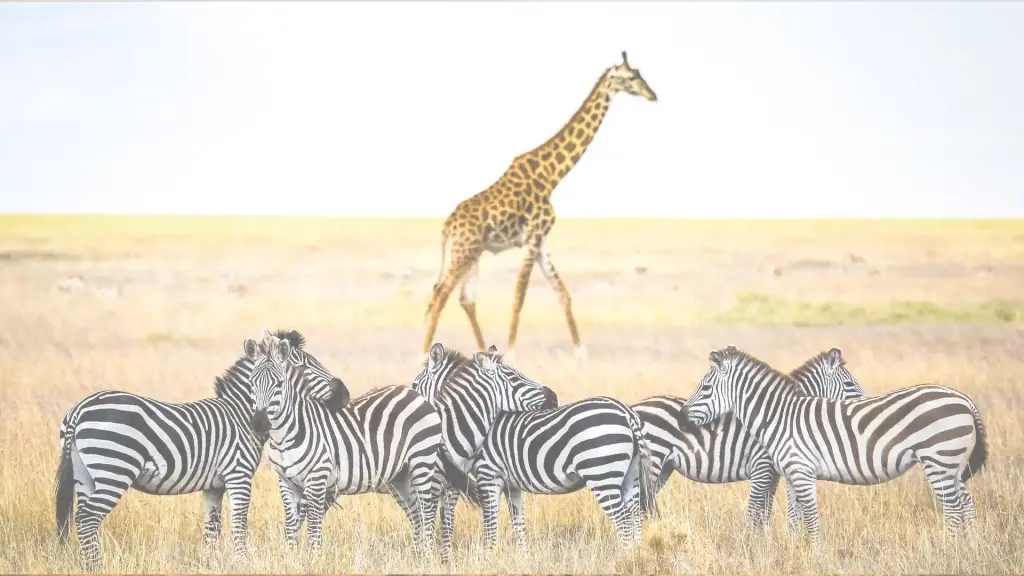
A lot. Tanzania has the Big Five (lion, elephant, buffalo, leopard and rhinoceros), plus giraffes, zebras, wildebeests, cheetahs, hippos, crocodiles and many kinds of birds.
What are the main national parks and reserves in Tanzania?
The best-known are Serengeti National Park, the Ngorongoro Conservation Area, Tarangire National Park, Lake Manyara National Park and Selous Game Reserve.
Do I need a visa to visit Tanzania?
Most visitors do. You can get a visa on arrival at the airport or online before you travel. The rules depend on your nationality, so check with the Tanzanian embassy or consulate in your country.
What type of accommodations are available on a Tanzania safari?
You can stay in luxury lodges, tented camps or budget campsites. Each feels different, and the facilities go from basic to very comfortable.
Is it safe to go on a Tanzania safari?
Tanzania is generally safe for travelers, including on safari. Still, take sensible care: listen to your guide, keep up with local conditions and keep your things secure.
What should I pack for a Tanzania safari?
Bring light clothes that breathe, sturdy walking shoes, a hat, sunglasses, sunscreen and insect repellent. Add a camera with spare batteries and memory cards, and any medicines you need.
What kind of vehicles are used for safari game drives?
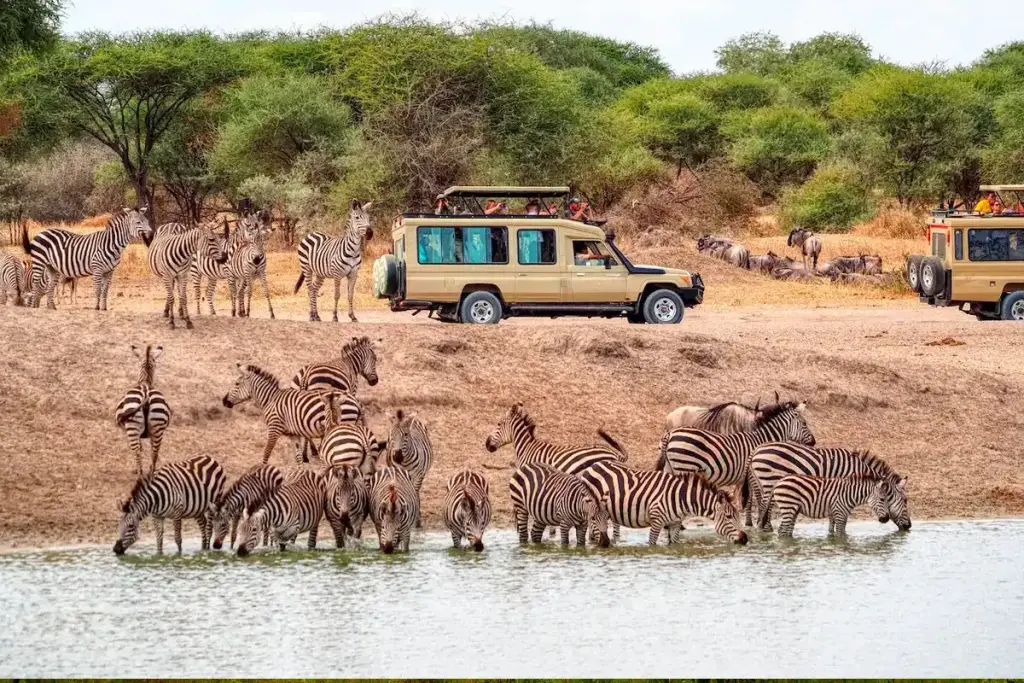
Most safari companies in Tanzania use tough four-wheel-drive vehicles, such as Land Rovers or Land Cruisers. They have pop-up roofs so you can stand and watch the animals. They are roomy and comfortable, and built for the rough tracks in the national parks and reserves.
Are there any cultural experiences available on a Tanzania safari?
How can I book a Tanzania safari?
Fill in our contact form, or get in touch with us by email or phone, and we will book your Tanzania safari with you.