
Tipping on a Tanzania safari is normal practice, and it is how you say thank you to the crew who look after you. This tipping in Tanzania safari guide covers when to tip, who to tip and how much, so you never have to guess on the trip.
Tipping etiquette on a Tanzania safari:
Tipping is a big part of Tanzania’s tourism culture, a way of thanking people for good service. It is not compulsory, but it is expected, and safari staff really value it.
Who to tip on a Tanzania safari, and how much:
-
Tipping at safari lodges:
- Most lodges give you tipping guidelines, which makes it easy. Usually there is a shared tip box for the staff, and the suggested amount is USD 10 to 20 per person per day.
-
Tipping safari guides:
- Your safari guide makes a huge difference to your trip. The usual tip is around USD 10 per person per day, as thanks for their knowledge and hard work.
-
Tipping safari trackers:
- Trackers ride with the rangers on game drives and help find animals and set up good photos. About USD 5 per person per day is the usual tip.
-
Tipping in restaurants and bars:
- On a Luxury Safari Tanzania, service in the restaurants and bars is very good. Tip waiters 10-15% of the bill. For bartenders, give at least 10% of the bill on bigger orders, or 1 to 2 USD per drink.
-
Tipping safari drivers:
- A tip for your safari driver thanks them for getting you around and helping out on the trip. USD 7-8 is usually right, and a small tip in local currency is fine too.
Follow these Tipping In Tanzania Safari guidelines and you will tip fairly, keep things friendly with your crew and thank them properly for their part in your trip.
Tanzania safari guide: FAQs
Here are short answers to common questions about Tanzania safaris:
When is the best time to go on a Tanzania safari?
It depends on what you want to see. The dry season (June to October) is best for wildlife, because animals gather around water. The wet season (November to May) brings green landscapes and fewer visitors, but heavy rain can make some areas hard to reach.
What wildlife can I expect to see in Tanzania?
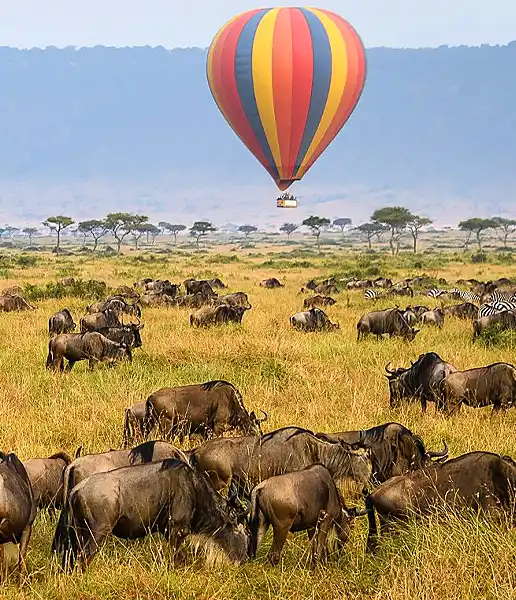
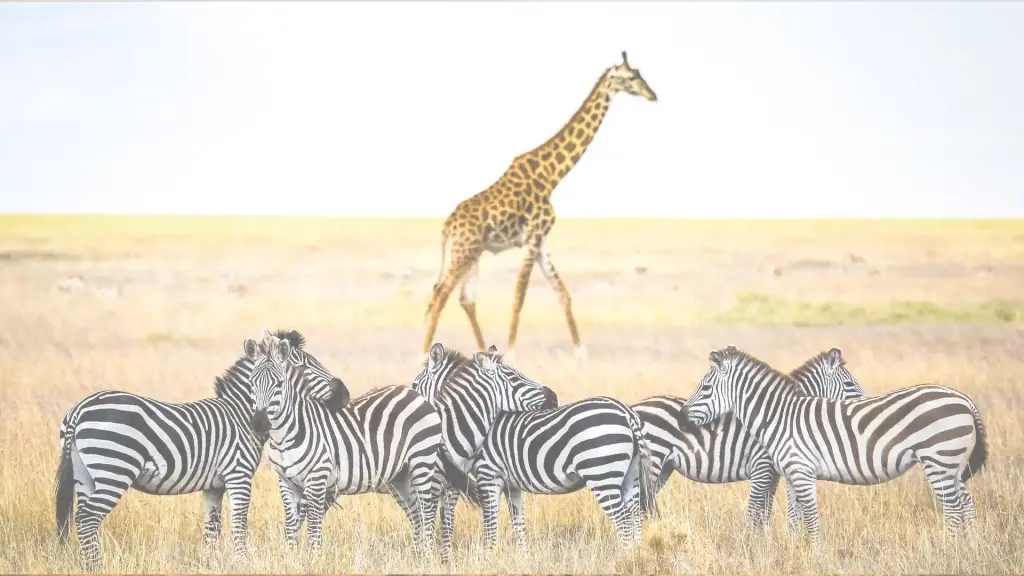
You can see the Big Five (lion, elephant, buffalo, leopard and rhinoceros), plus giraffes, zebras, wildebeests, cheetahs, hippos, crocodiles and a wide range of birds.
What are the main national parks and reserves in Tanzania?
The best known are Serengeti National Park, the Ngorongoro Conservation Area, Tarangire National Park, Lake Manyara National Park and Selous Game Reserve.
Do I need a visa to visit Tanzania?
Most visitors need a visa. You can get one on arrival at the airport or online before you travel. The rules depend on your nationality, so check with the Tanzanian embassy or consulate in your country.
What type of accommodations are available on a Tanzania safari?
You can choose anything from luxury lodges and tented camps to budget campsites. Facilities range from basic to luxurious, so there is something for most budgets.
Is it safe to go on a Tanzania safari?
Tanzania is generally safe for travellers, including on safari. Still, follow your guide’s advice, keep up with local conditions and keep your belongings secure.
What should I pack for a Tanzania safari?
Bring light, breathable clothes, sturdy walking shoes, a hat, sunglasses, sunscreen, insect repellent, a camera with spare batteries and memory cards, and any medicines you need.
What kind of vehicles are used for safari game drives?
Most safari companies in Tanzania use tough four-wheel-drive vehicles such as Land Rovers or Land Cruisers, with pop-up roofs for game viewing. They are roomy and comfortable, and built for the rough ground in the national parks and reserves.
Are there any cultural experiences available on a Tanzania safari?
How can I book a Tanzania safari?
Book through our Contact Form, or get in touch with us by email or phone.