Your safety on a Tanzania safari tour comes first for us. Tanzania is widely seen as a safe country for travellers, but it still pays to know the basic travel safety rules so your trip runs smoothly.
The simplest rule: don’t walk alone in areas you don’t know, especially at night. Most of Tanzania is safe, and a little care in unfamiliar places keeps the risks low.
Recent figures put Tanzania’s safety index at 42.32, in line with its name as a generally safe place for residents and tourists. Many visitors tell us they felt safe throughout their stay.
We look after your safety and well-being from the start of your Tanzania safari to the end. Our team gives you clear advice and support on the ground, so you can enjoy Tanzania’s wildlife and landscapes without worry.
Personal travel safety
Look after your belongings, especially cameras, smartphones and other electronics. Petty crime is not common, but it does happen, so keep valuables out of sight and secure while you travel.
Don’t carry expensive items on public transport such as buses. Take a taxi instead, especially after 7 pm, when it gets dark and petty theft is more likely. These small habits make you much less of a target for thieves and pickpockets.
It also helps to lock your valuables away at your hotel. Most hotels have safe storage for guests, so you can enjoy the trip without worrying about your things.
Tanzania health and safety policy
Before we answer the question “Is Tanzania a safe place to travel?”, here are the Tanzania health and safety rules you need to know on arrival in the country:
- Tourists need to apply for an e-Visa before travelling.
- Your temperature will be checked with a thermal scanner at borders, airports, banks and national parks. You are also asked to wash or sanitize your hands before going in.
- Wear a face mask where signs say so; it is mandatory there.
- Social distancing rules apply.
- For tourists in particular, mobile and tented health centres have been set up in the national parks and along the main tourist routes. They handle quarantine, isolation and first treatment for any traveller who needs it.
- Dedicated Covid-19 ambulances are stationed at the main tourist spots.
Still asking “Is Tanzania a safe country to travel to?” The Tanzanian authorities suggest these vaccinations before you enter the country: Tetanus, Hepatitis B, Yellow fever, Rabies, Diphtheria, Polio, Typhoid, Hepatitis A and Meningitis.
Tanzania safe travel and tourism
For safe travel in Tanzania, pack a small medical kit with the basics you might need: antacids, painkillers, anti-histamines and cold remedies. Bring anti-diarrhoeal medicine such as Imodium (adults only) and oral rehydration sachets such as Electrolade, especially if you are travelling with children. Your first aid kit should include Band-Aids, antiseptic and dressings. It is also worth asking your doctor to prescribe a broad-spectrum antibiotic that treats dysentery or severe infections.
Tanzania tourist safety
The best way to stay well as a tourist in Tanzania is to eat food that is freshly and thoroughly cooked and served hot. That is our top tip for Food Safety in Tanzania. Avoid buffet food and anything re-heated or left out where flies can reach it. We also suggest you skip seafood. Raw fruit and vegetables are hard to clean properly, so only eat them if they have been washed carefully in clean water.
Only drink water you know is safe. Don’t drink tap water or brush your teeth with it. Stick to bottled or canned drinks; well-known brands are safe.
Tanzania travel safety advice
Here is our travel safety advice for your Tanzania safari tours:
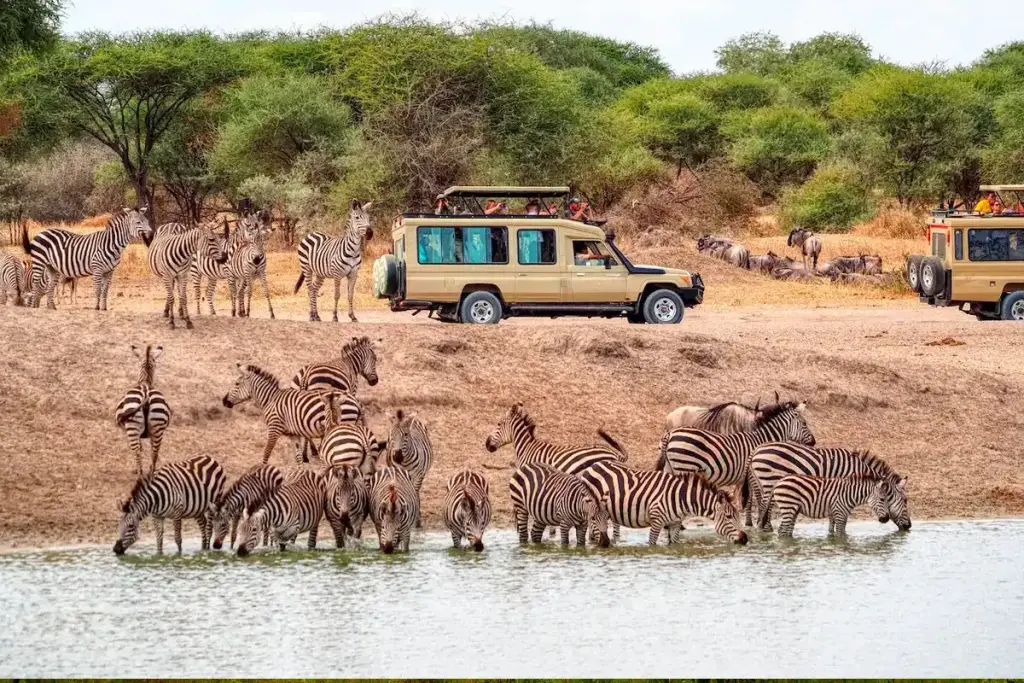
- Staying safe on wildlife viewing activities: Your Tanzania Safari Guide is there to keep you safe the whole time. Listen carefully to what they tell you and follow the park rules. On a self-drive safari, don’t get out of your vehicle outside the marked areas, and don’t get too close to the animals.
- Staying safe on a chimp trek: Chimp trekking in Tanzania is safe and very rewarding. Experienced park rangers lead you to a habituated chimpanzee community, where you can watch the chimps in their natural habitat. Follow the ranger’s instructions closely, for your safety and for the chimps’ well-being.
- Additional safety tips:
- Know the risks: violent armed robberies and petty theft happen, mostly in cities such as Dar es Salaam. Take care in and around Arusha in northern Tanzania too.
- Use registered taxis to get around. They are the safer choice.
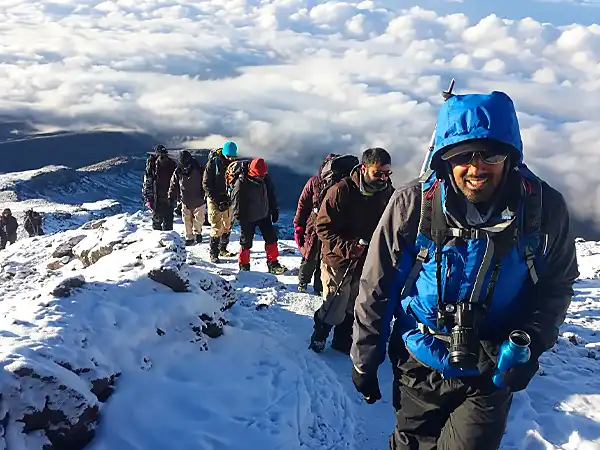
- If you travel to Tanzania from Rwanda, Burundi or the Democratic Republic of the Congo, stay alert to the risk of armed bandits, particularly around Mount Kilimanjaro and the Serengeti and Arusha National Parks. Put your security first and travel with care.
- Solo female travelers: Many clients ask us whether Tanzania is safe for solo female travelers. It is, and it is safe for travellers of every age too. We look after the safety of all our guests, whatever their gender or age.
Tanzania safari guide: FAQs
Here are short answers to common questions about Tanzania safaris:
When is the best time to go on a Tanzania safari?
It depends on what you want to see. The dry season (June to October) is best for wildlife, because animals gather around water. The wet season (November to May) brings green landscapes and fewer visitors, but heavy rain can make some areas hard to reach.
What wildlife can I expect to see in Tanzania?
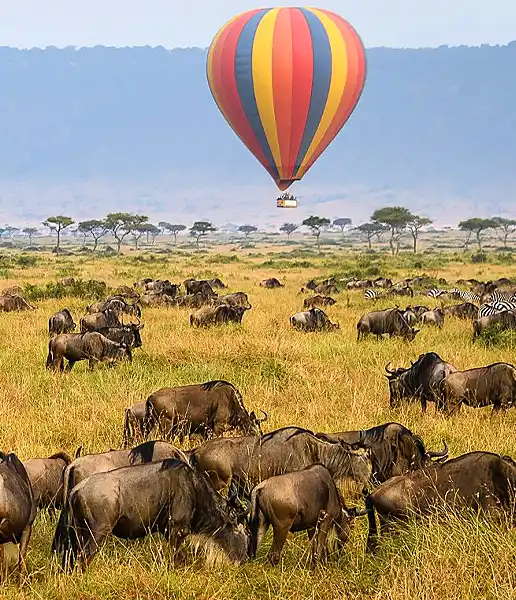
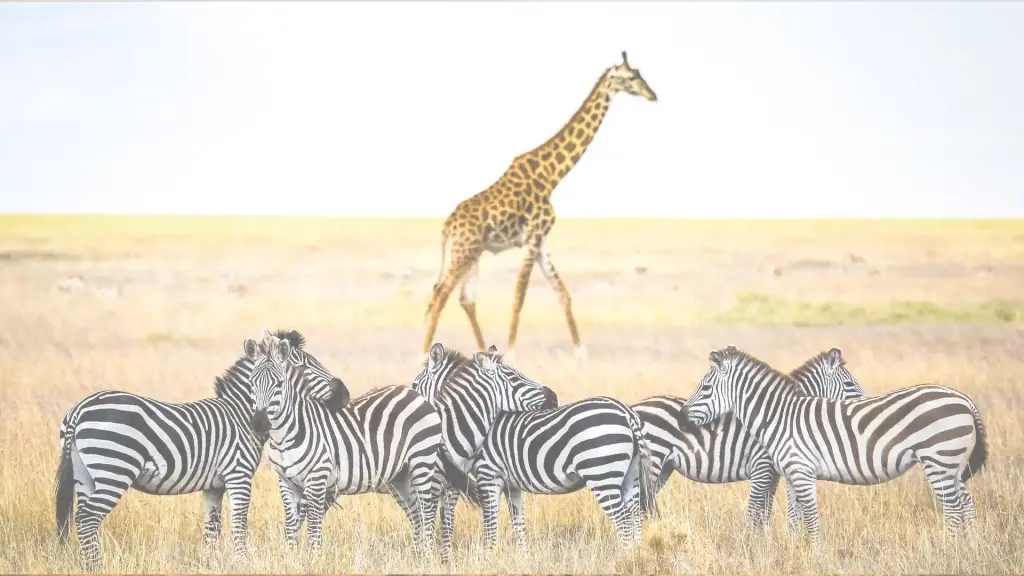
You can see the Big Five (lion, elephant, buffalo, leopard and rhinoceros), plus giraffes, zebras, wildebeests, cheetahs, hippos, crocodiles and a wide range of birds.
What are the main national parks and reserves in Tanzania?
The best known are Serengeti National Park, the Ngorongoro Conservation Area, Tarangire National Park, Lake Manyara National Park and Selous Game Reserve.
Do I need a visa to visit Tanzania?
Most visitors need a visa. You can get one on arrival at the airport or online before you travel. The rules depend on your nationality, so check with the Tanzanian embassy or consulate in your country.
What type of accommodations are available on a Tanzania safari?
You can choose anything from luxury lodges and tented camps to budget campsites. Facilities range from basic to luxurious, so there is something for most budgets.
Is it safe to go on a Tanzania safari?
Tanzania is generally safe for travellers, including on safari. Still, follow your guide’s advice, keep up with local conditions and keep your belongings secure.
What should I pack for a Tanzania safari?
Bring light, breathable clothes, sturdy walking shoes, a hat, sunglasses, sunscreen, insect repellent, a camera with spare batteries and memory cards, and any medicines you need.
What kind of vehicles are used for safari game drives?
Most safari companies in Tanzania use tough four-wheel-drive vehicles such as Land Rovers or Land Cruisers, with pop-up roofs for game viewing. They are roomy and comfortable, and built for the rough ground in the national parks and reserves.
Are there any cultural experiences available on a Tanzania safari?
How can I book a Tanzania safari?
Book through our Contact Form, or get in touch with us by email or phone.