Here are the questions people ask us most about climbing Mount Kilimanjaro. A climb like this takes some planning, so we have tried to answer everything you need to know before you go. Read on for the answers to your Kilimanjaro FAQs.
-
How tall is Mount Kilimanjaro?
- Mount Kilimanjaro is about 5,895 meters (19,341 feet) above sea level. That makes it the tallest mountain in Africa and the tallest freestanding mountain in the world.
-
Where is Mount Kilimanjaro located?
- Mount Kilimanjaro is in Tanzania, East Africa, close to the border with Kenya. It sits inside Kilimanjaro National Park, a UNESCO World Heritage Site.
-
What is the best time to climb Mount Kilimanjaro?
- Go in one of the dry seasons: late June to October (the “high season”) or December to February. The weather is usually clear then, and the trails are less slippery.
-
How difficult is it to climb Mount Kilimanjaro?
- It can be hard on both body and mind, but you don’t need any technical climbing skills. How hard it is depends on your route, as some routes are steeper and tougher than others.
-
How long does it take to climb Mount Kilimanjaro?
- That depends on your route, your fitness and how much time you allow to acclimatize. Most routes take 5 to 9 days to reach the summit and come back down.
-
What are the different routes to climb Mount Kilimanjaro?
- There are several routes up Mount Kilimanjaro, and each has its own scenery and challenges. The most popular are the Marangu, Machame, Lemosho, Rongai and Northern Circuit routes. Each one has its own pros and cons.
-
Do I need a guide to climb Mount Kilimanjaro?
- Yes, you must climb Mount Kilimanjaro with a guide. Guides have experience getting climbers safely to the summit. They know the routes, the signs of altitude sickness and what to do in an emergency.
-
What should I pack for climbing Mount Kilimanjaro?
- Bring warm clothes (layers work best), strong hiking boots, a comfortable backpack, a sleeping bag rated for the cold, high-factor sunscreen, sunglasses, a hat, gloves, trekking poles, and plenty of water and snacks.
-
How cold does it get on Mount Kilimanjaro?
- It changes a lot with the altitude and the time of year. Higher up, it can drop below freezing, especially at night, so come ready for the cold.
-
What is altitude sickness, and how can I prevent it while climbing Mount Kilimanjaro?
- Altitude sickness, or acute mountain sickness (AMS), happens because there is less oxygen at high altitude. The best way to avoid it is to acclimatize well: climb slowly, drink plenty of water and pay attention to how you feel. Medicines such as acetazolamide (Diamox) can also help prevent or ease the symptoms.
-
Are there toilets on Mount Kilimanjaro?
- Some campsites on the popular routes have basic toilets, but they are not always pleasant or clean. Bring your own toilet paper and hand sanitizer. Some higher-end tour operators bring portable toilets, which makes things much more comfortable.
-
Is it safe to climb Mount Kilimanjaro?
- On the whole, yes, if you prepare well and climb with good guides. You should still know the risks: high altitude, changing weather and hard physical effort. Listen to your guides and be ready for emergencies.
-
Do I need travel insurance to climb Mount Kilimanjaro?
- We strongly recommend it. Your travel insurance should cover medical emergencies, trip cancellations and evacuations from Mount Kilimanjaro. Check the small print to make sure it covers high-altitude trekking.
-
Can I climb Mount Kilimanjaro without a permit?
- No. You need a permit to enter Kilimanjaro National Park, and climbing without one is illegal. Permits help control the number of climbers on the mountain, and the money goes towards conservation.
-
What is the cost of climbing Mount Kilimanjaro?
- It depends on your route, how many days you take, how many people are in your group and what the tour operator includes. Most climbers spend several thousand dollars. Budget for the climb itself, but also for gear, park fees, tips for your guides and porters, and other costs.
-
Are there age restrictions for climbing Mount Kilimanjaro?
- There are no strict age limits, but because the climb is physically hard, we recommend climbers be at least 10 to 12 years old. Older climbers should talk to their doctor before they go.
-
Can I climb Mount Kilimanjaro solo?
- You can climb Mount Kilimanjaro as a solo traveler, but we don’t recommend going alone for safety reasons. A guide and a support team make the climb much safer and give you a better chance of reaching the top. Solo climbers also pay a solo supplement.
-
Is there internet access on Mount Kilimanjaro?
- Only a little, and you can’t count on it. Some higher-end tour operators offer satellite internet at certain campsites, but there’s no guarantee. Many climbers enjoy the break from their phones.
-
What is the scenery like on Mount Kilimanjaro?
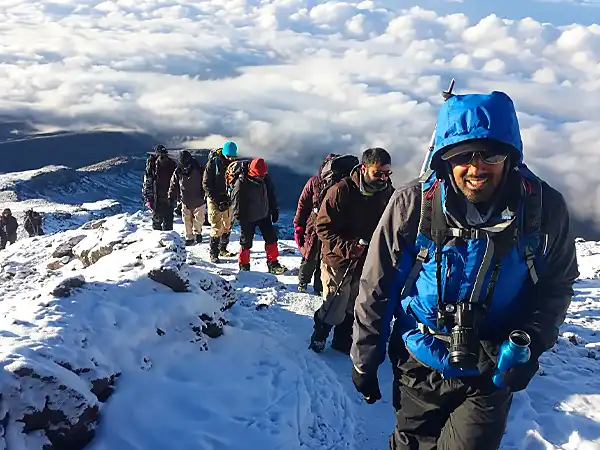
- It changes all the way up. You see glaciers, alpine meadows, volcanic landscapes and the wide African plains below. As you climb you pass through different ecosystems, from green rainforest at the bottom to arctic conditions near the summit.
-
Are there any dangerous animals on Mount Kilimanjaro?
- Run-ins with dangerous animals are rare on Mount Kilimanjaro, but you could meet buffalo, elephants or leopards, mostly on the lower slopes. Follow your guide’s safety advice and stay alert.
-
Can I see wildlife while climbing Mount Kilimanjaro?
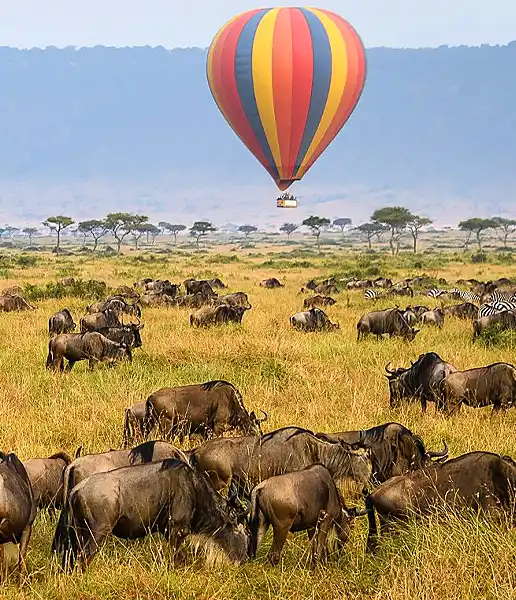
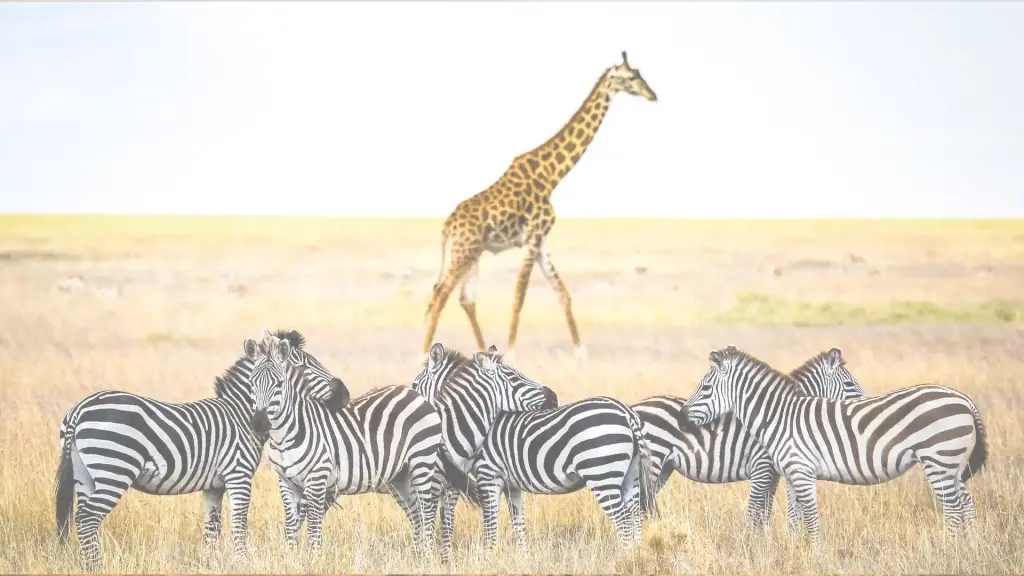
- Yes, mainly on the lower slopes of Mount Kilimanjaro, where the forest has plenty of animals and birds. Watch for monkeys, antelopes and colorful birds on the way up.
- What is the success rate for climbing Mount Kilimanjaro?
- The success rate on Mount Kilimanjaro depends on your route, the weather and how fit you are. On average, about 75% of climbers reach the summit. Longer routes give you more time to acclimatize and do better: the 8-day Lemosho averages about 90%. See our Kilimanjaro success rate guide for each route.
Kilimanjaro Climbing FAQs
Here are some more questions we often get about the Kilimanjaro climb:
How high is Mount Kilimanjaro?
Mount Kilimanjaro is 5,895 meters (19,341 feet) above sea level, the highest peak in Africa.
What is the best time to climb Kilimanjaro?
The dry seasons are best: January to March and June to October. In these months the skies are usually clearer and the weather is more settled.
How long does it take to climb Kilimanjaro?
It depends on the route, but most treks take 5 to 9 days. A longer climb gives your body more time to acclimatize, so your chances of reaching the summit go up.
Do I need to be an experienced climber to climb Kilimanjaro?
No, you don’t need any climbing experience. You do need to be fit and mentally ready. Plenty of first-timers reach the summit with good training and experienced guides.
What is altitude sickness, and how can I prevent it?
Altitude sickness, or acute mountain sickness (AMS), happens when your body can’t adjust to the lower oxygen levels at high altitude. To prevent it, climb slowly so you acclimatize, drink plenty of water, and take altitude sickness medicine if your doctor recommends it.
What gear do I need to climb Kilimanjaro?
You’ll need strong hiking boots, warm layers, a sleeping bag rated for the cold, a headlamp, trekking poles and a backpack. Proper high-altitude gear, like insulated jackets and gloves, matters too.
Which route should I take to climb Kilimanjaro?
There are several routes, and they differ in what you see and how hard they are. Popular ones include the Machame Route, Marangu Route, Lemosho Route and Rongai Route. The right one for you depends on your fitness, your budget, the scenery you want and how quiet you’d like the trail to be.
Do I need a guide to climb Kilimanjaro?
What accommodation options are available during the climb?
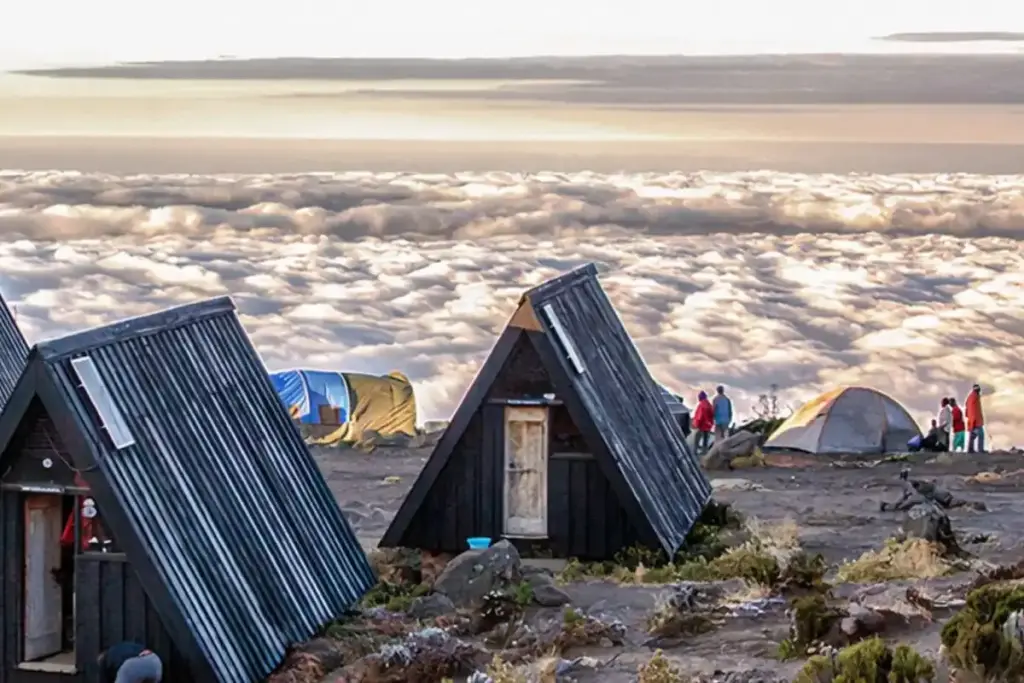
On most routes you sleep in tents at campsites along the trail. Some routes, like the Marangu Route, have simple mountain huts with bunk beds. On certain routes you can choose luxury options, such as premium tented camps, if you want more comfort.
Is it safe to climb Kilimanjaro?
Climbing Kilimanjaro is generally safe if you take sensible care: choose a reputable tour operator, give yourself time to acclimatize and follow the safety rules. Still, know the risks of high-altitude trekking, including altitude sickness and bad weather.