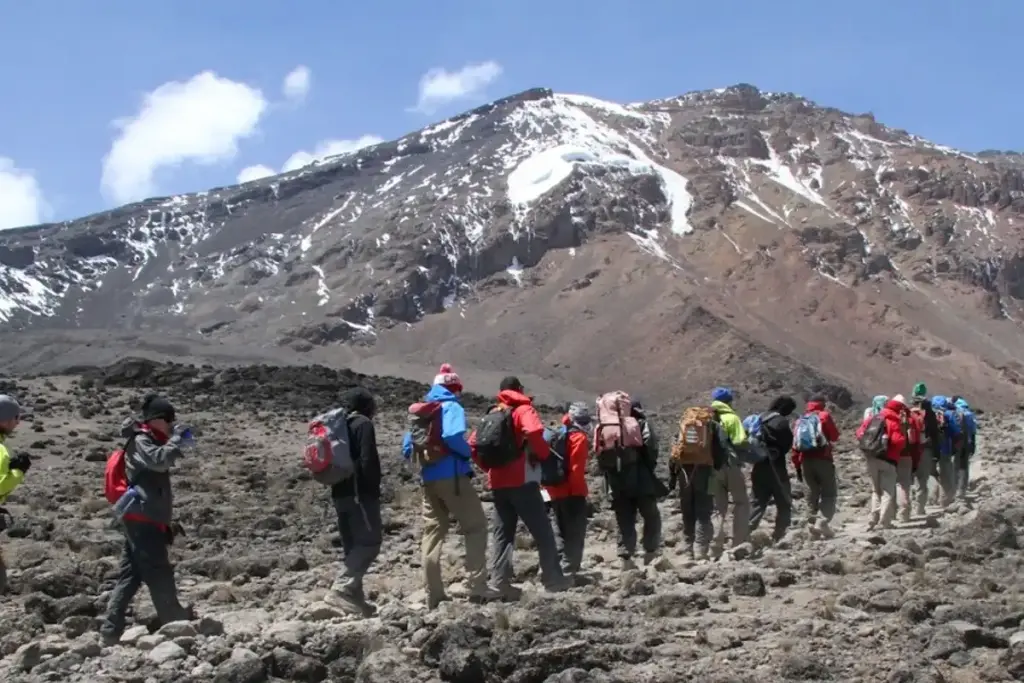
If you plan to climb Mount Kilimanjaro, Africa’s highest peak and the tallest freestanding mountain in the world, good planning pays off. The summit is 5,895 meters above sea level, so read up on the climbing routes and on what works before you go. You don’t need climbing skills, but you do need to be ready in body and mind.
So how do you get ready to climb Mount Kilimanjaro, and when should you go? Start preparing months ahead. No technical skills are needed, but you should be fit and mentally prepared.
How to prepare for climbing Mount Kilimanjaro: a full guide
Beginner or experienced hiker, there are a few things to think through before you climb Mount Kilimanjaro. For a safe and enjoyable climb, plan ahead and learn what you need to know. This Kilimanjaro preparation guide covers the main points.
When is the Best Time to Climb Kilimanjaro?
You can climb Mount Kilimanjaro at any time of year, and every Kilimanjaro route is open year-round. The mountain is near the equator, so there is no real winter or summer. Instead there are wet and dry seasons. The best time to climb Kilimanjaro is the dry season, when it is warmer. Beginners should stay away from the wet season, as the climb is harder then. If you go with an experienced climber and take every safety step, a wet-season climb can still be a good adventure. Your choice of Kilimanjaro route matters a lot too. Pick a good route and a longer itinerary so you acclimatize better.
How long does it take to climb Kilimanjaro?
You choose how many days you spend climbing Mount Kilimanjaro. Our advice: take an 8-day or 9-day itinerary if you are a beginner, and 7 – 8 days if you are an experienced climber. The extra days give you time to acclimatize and get used to the cold and the weather higher up. So if you can, plan on 8 – 9 days. The route makes a difference too. The Lemosho Route and Northern Circuit Route take 8 – 9 days, while the Machame Route and Marangu Route take 7 days. You can add an extra day on any of them to acclimatize. How many days you need also depends on how fit you are to climb Kilimanjaro.
Which Kilimanjaro route is right for you?
Each Kilimanjaro route has its own good points. Some give you more days to climb, and some go up very fast. The best routes have a success rate of 97%, while others sit at 60-70%. So look closely at each route while you are preparing to climb Mount Kilimanjaro. The Machame Route is a little harder than the Marangu Route, but it has the highest success rate, at 80-85%. The Lemosho and Northern Circuit Route are longer, so you sleep lower down and spend more time on the mountain. That extra time helps you acclimatize, and their summit success rate is 95% and above. The Rongai Route is the only route that starts from the north, and the first stretch crosses varied wild country.
In the end, the best route to climb Kilimanjaro is the one that suits you.
Preparing for high altitude:
Better to prepare now than regret it later. A good Kilimanjaro operator will tell you everything you need to know about preparing to climb Mount Kilimanjaro and coping with the altitude.
It helps to pre-acclimatize before you attempt Mount Kilimanjaro. Mount Meru is a good choice for this before climbing Mount Kilimanjaro.
Pick one of the best Kilimanjaro routes, one that gives you extra time to acclimatize. Check that it follows the climb high, sleep low pattern.
Walk as slowly as you can and don’t push yourself, even low down. This is the best way to avoid Kilimanjaro altitude sickness.
Drink enough fluids (4 litres a day)
Skip alcohol, stimulants, cigarettes and caffeine on the mountain.
Do you need to train for Kilimanjaro?
Yes. You need to train to be fit enough to climb Mt. Kilimanjaro. Follow a Kilimanjaro fitness program with stamina training, strength training, progressive resistance training and so on.
Put aerobic exercise, treadmill running, strength training, hiking, walking “up & down” and breathing exercises into your Kilimanjaro training plan.
Why hydration matters so much on Kilimanjaro:
Drinking enough is a big part of getting ready to climb Kilimanjaro. Drink water regularly while you are climbing Mount Kilimanjaro. The signs of dehydration look a lot like Acute Mountain Sickness. Drink enough, but not more than you need. Too much water can also harm you. It dilutes the sodium in your body, which can lead to weakness, confusion, seizures and coma. The easiest check is the colour of your urine. Clear means you are drinking enough. Dark means you are dehydrated and need more water.
What are the toilets like on Kilimanjaro?
Every campsite has toilets, and most toilets on Kilimanjaro are long drops. Some operators bring cleaner private toilets. You can also hire your own toilet and a porter to carry it up the mountain for you. It doesn’t cost much, works well for groups, and is worth thinking about for extra comfort.
What gear should I pack for Kilimanjaro?
The right gear makes it much easier to reach the summit of Mount Kilimanjaro. Your Kilimanjaro gear list should cover the essentials, not luxuries. Don’t bring everything you own, because it all has to go up the mountain. Leave expensive things, jewellery and anything fragile at home.
Here is what we put on your gear list, based on the Climb Kilimanjaro Guide:
Clothing
- 4-5 pairs of underwear
- Top and bottom base layer
- Short-sleeve and long-sleeve trekking shirts
Trousers and jackets
- 2 pairs of hiking trousers
- 1 fleece jacket
- 1 insulated winter jacket
- 1 insulated trekking pants
- 1 hard shell jacket
- Lightweight raingear
Headgear
- Sun hat with neck cover
- Fleece Headband
- Bandana
- Headlamp
- Sunglasses
Hands and walking
- Lightweight inner gloves
- Warm outer gloves
- Adjustable trekking poles
Footwear
- Mid-weight hiking boots
Bags and daypacks
- 80-90L waterproof duffle bag
- 20-30L Daypack
- Daypack rain cover
- Travel bag Organisers
Sleeping
- 4-season sleeping bag
- Insulated sleeping mat
- Inflatable pillow
General accessories
- Water bottle
- Water purification tablets
- Baby wipes
- Sweat-resistant Sun cream
- Insect repellent
- General medications
- Technology
- Camera
- Spare batteries and Camera memory card
Others
- Energy bars
- Energy drinks
- Trekking towels
- Toiletries
What electronic gadgets should I carry to the mountain?
When you are preparing to climb Mount Kilimanjaro, take only the gadgets you will really use on the mountain. They go in your daypack, and you carry your own daypack for the whole climb. Gadgets help with keeping in touch, music, photos, seeing further and more. Here are a few essential electronic gadgets for Kilimanjaro to keep with you on the climb:
- Mobile phone – It does many jobs: phone, camera, torch, map and more.
- Camera – The most important gadget for keeping a record of the trip.
- Power bank – Keeps your phone charged so you can stay in touch.
- Solar charger – Kilimanjaro gets a lot of sunny days, so a solar charger is very useful. It needs no plug. It charges from the sun during the day, and you can use it at night.
- Earphones – You are climbing to 5,895 m (19,341 ft), and there will be slow, boring stretches. Bring earphones and listen to your favourite music.
Preparing this way gives you a better chance of reaching the summit without problems. It helps new and experienced hikers alike. Come and enjoy climbing Mount Kilimanjaro with us, and leave the work of preparing to climb Mount Kilimanjaro to us.
Kilimanjaro climbing FAQs
Here are answers to the questions we hear most about the Kilimanjaro climb:
How high is Mount Kilimanjaro?
Mount Kilimanjaro is 5,895 meters (19,341 feet) above sea level. That makes it the highest peak in Africa.
What is the best time to climb Kilimanjaro?
Go in one of the dry seasons, from January to March or June to October. Skies are usually clearer then, and the weather is more settled.
How long does it take to climb Kilimanjaro?
That depends on your route. Most treks take between 5 to 9 days. The longer you take, the better you acclimatize and the better your chance of reaching the summit.
Do I need to be an experienced climber to climb Kilimanjaro?
No. You don’t need climbing experience, but you do need good fitness and the right mindset. Many climbers reach the summit with experienced guides and proper training behind them.
What is altitude sickness, and how can I prevent it?
Altitude sickness, also called acute mountain sickness (AMS), is what happens when your body can’t cope with the lower oxygen levels high up. To prevent it, go up slowly, keep drinking water, and if a doctor or other health professional advises it, take altitude sickness medication.
What gear do I need to climb Kilimanjaro?
You need sturdy hiking boots, warm layers, a sleeping bag rated for the cold, a headlamp, trekking poles and a backpack. Proper high-altitude gear matters too, such as insulated jackets and gloves.
Which route should I take to climb Kilimanjaro?
You have several routes to pick from, and they differ in scenery and in how hard they are. Popular ones include the Machame Route, Marangu Route, Lemosho Route and Rongai Route. Choose based on your fitness, your budget, and how much you want scenery and quiet trails.
Do I need a guide to climb Kilimanjaro?
What accommodation options are available during the climb?
Most nights on Kilimanjaro are spent in tents at campsites along the trail. A few routes, like the Marangu Route, have basic mountain huts with bunk beds. Want more comfort? Some routes offer luxury options such as premium tented camps.
Is it safe to climb Kilimanjaro?
Yes, generally, as long as you are careful: pick a good tour operator, acclimatize properly and follow the safety rules. But know the risks of trekking at high altitude, such as altitude sickness and bad weather.